
As a form of supporting environmental sustainability and reducing the negative impact on the ecosystem, Universitas Padjadjaran is committed to tracking and managing food waste on campus. Policies are also implemented at UNPAD, such as Management of the Canteen, Management of Eco-friendly Campus, and Management of Eco-friendly Campus.
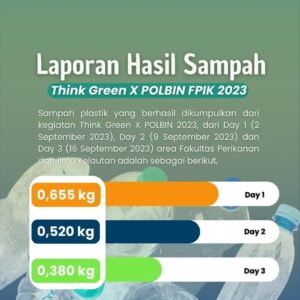
Actual actions include facilitating special trash bins for plastic bottles and glasses in the surrounding environment and inviting students to take part in trash collection activities to raise awareness of the importance of using plastic wisely, reducing the use of plastic, and switching to more environmentally friendly materials.
Supporting tools facilitated by UNPAD to support campus food waste tracking:
- Facilitation of Special Plastic Trash Bins at the Faculty of Fisheries and Marine Sciences
- Wise Use of Plastic and Reducing Plastic Use and Switching to More Environmentally Friendly Materials
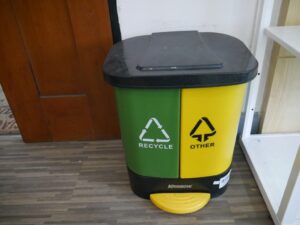
This action is to identify the source, volume, and method/pattern of food waste disposal. The waste management policy is also a reference for UNPAD in maintaining a conducive environment. This strategy is expected to make waste reduction effective and support a more environmentally friendly campus.
Actions in the form of policies to support food waste in the UNPAD environment:
- Promoting Sustainable Food Practices at Unpad Postgraduate School
- Rector Regulation Concerning Management of Canteen within Universitas Padjadjaran
- Rector Regulation Concerning Management of Eco-friendly Campus
- Rector Regulation Concerning Prohibition of The Use of Single Use Plastics at UNPAD
- Rector Regulation Concerning Waste Management in Padjajaran University Environment
Food insecurity and hunger among students are serious issues that can hinder academic development and overall well-being. Universitas Padjadjaran recognizes that access to sufficient and nutritious food is essential to support academic performance as well as the mental and physical health of students, so various strategic steps such as initiatives and policies need to be taken to address this challenge and ensure that every student has access to sufficient and affordable nutritious food. The following are the faculty canteens in the UNPAD environment. In addition, some faculties provide vouchers for underprivileged students so they can access food in the canteen for free as well as discounts and free food.


In addressing the challenges of hunger affecting students and the academic community, Universitas Padjadjaran has taken proactive steps by designing and implementing a series of interventions to ensure that every student has adequate access to healthy and nutritious food sources. This is an essential step in our efforts to create a supportive and inclusive educational environment. These steps aim to ensure that every student has adequate access to food to learn optimally without being hampered by nutritional and health issues.
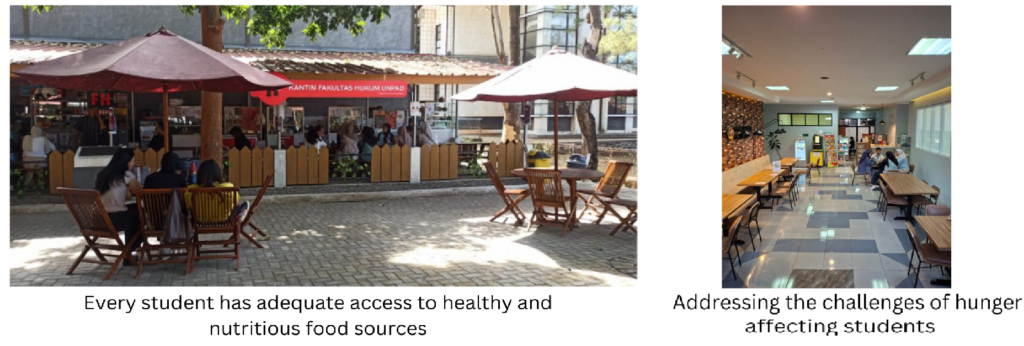
Providing food stocks and providing facilities for stocking food ingredients such as:
- Stock of Fish Raw Materials from Cold Storage of the Faculty of Fisheries and Marine Sciences, Unpad
- Faculty of Law commitment to providing a clean, nutritious, and cost-effective canteen
- UNPAD Postgraduate Canteen Enhances Sustainability with Healthy and Eco-Friendly Choices
- Ministerial Regulation on Meal Allowances for State Civil Apparatus Employees
UNPAD also has its garden to maintain food resources independently, Bale Tatanen is a Center for Modern Hydroponic Development Based on Research and Technology owned by UNPAD.
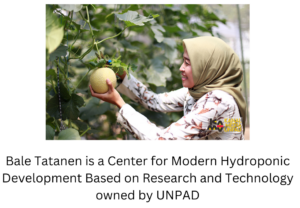
The following is UNPAD’s garden as an independent action in providing food supplies:
As part of Universitas Padjadjaran’s commitment to sustainability and environmental well-being, we continue to encourage the provision of sustainable food options throughout campus. This step aims to reduce environmental waste, support local agriculture, and offer healthier and more environmentally friendly food for the academic community.
The choices presented by UNPAD on campus:
- Provide Healthy and Cheap Sea Fish Products for Students, Lecturers, Employees and the Public
- Launch Food Security Program to Support Students and Education Personnel
- Genetic Resources for Food and Agriculture Secured in Either Medium or Long-term Conservation Facilities
UNPAD always carries out creativity and innovation, such as creating environmentally friendly glass innovations and increasing the feasibility of the canteen with new facilities, such as cold storage that can be used together.
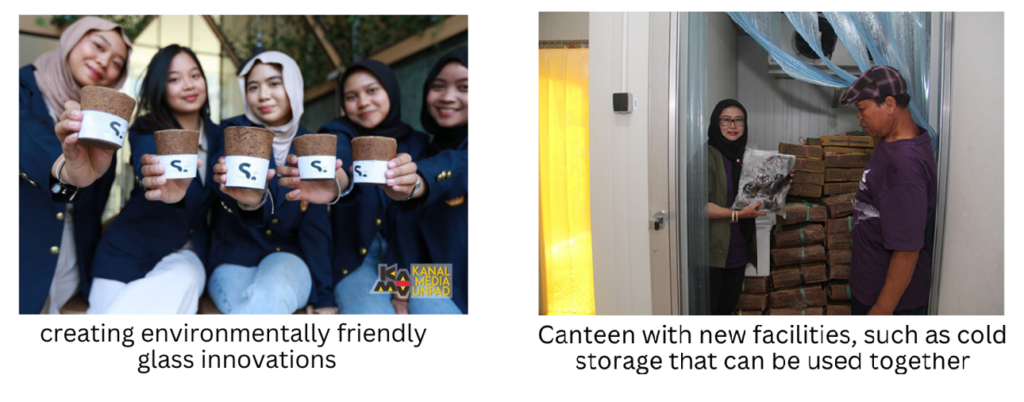
Facilities to support sustainable food on campus:
Recognizing the importance of health as a foundation for academic achievement and overall well-being, Universitas Padjadjaran places access to healthy and affordable food options as a crucial priority. By ensuring the availability of quality and cheap food, the campus strives to create an environment that.
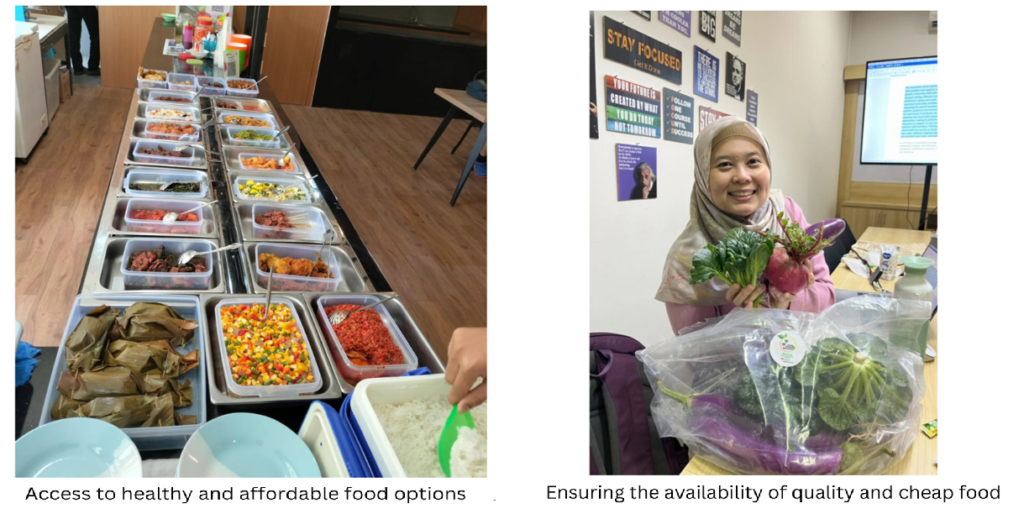
A variety of food options are provided for the entire campus community:
- New Cafeteria Opens at Faculty of Medicine: Providing Sustainable, Healthy, and Affordable Food Choices for Students
- Established Canteens for Students, Lecturers, Staff, and The General Public, Offering Healthy and Affordable Food Options
- Promoting Sustainable Food Practices at Unpad Graduate School
- SPs UNPAD Commits to Ethical and Sustainable Food Procurement
- Combining Cash Crops Ensures The Economic Benefits of The Homegarden.
Conducting a test on drinks was carried out by UNPAD as a form of feasibility testing on food samples in the UNPAD canteen. The following is an example of a product testing report in the UNPAD canteen.
Conducting due diligence to keep food healthy and affordable:
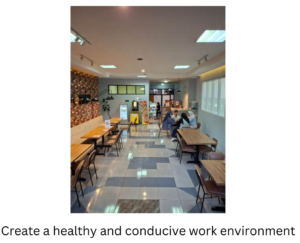
Universitas Padjadjaran understands that hunger impacts not only performance and productivity but also the overall well-being of staff. Therefore, the decision was made to provide a healthy and eco-friendly campus for the academic community. This aims to create a healthy and conducive work environment so that it can achieve optimal performance and provide long-term welfare.
Action efforts to intervene in hunger:
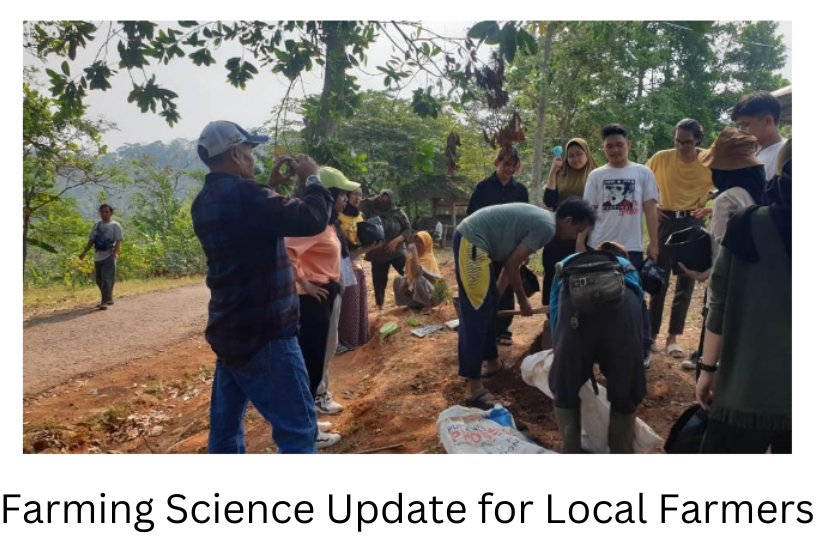
Create activities or festivals regularly to provide access to knowledge related to food security. Product innovation from the agricultural side is also obtained from food security knowledge access held by UNPAD. Frequently conducting activities to provide information related to food security makes Unpad residents, farmers, and the surrounding community care about food security. This has a long-term positive impact.
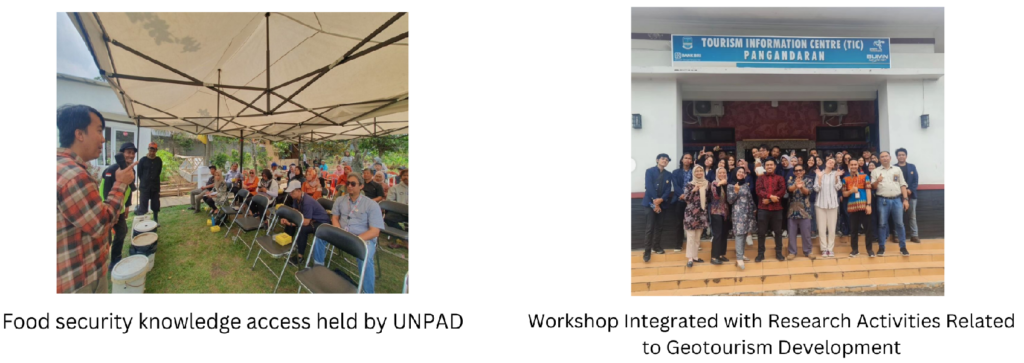
Activities carried out by UNPAD for knowledge transfer:
- Unpad Holds Processed Fishery Products Festival
- Real Work Lecture Workshop Integrated with Research Activities Related to Geotourism Development in Pangandaran
- Innovation in Agricultural Product Development and Empowerment of MSMEs in the Fostered Area
- Promoting Sustainable Food Practices at Unpad Graduate School
- Promoting Sustainable Environmental Management Through Urban Farming: Strengthening Organic Waste Management Knowledge for Urban Agriculture
- Empowering Local Farmers through Organic Waste Management: A Collaborative Initiative by BUAH The Living Lab and CESS
- Unveiling Urban Agriculture Realities: Insights from Bandung Raya
One effort to disseminate knowledge of food security from an early age is to provide information to children who are still in school so that they care about food security first. In addition, information is also routinely provided to the surrounding community so that they are concerned about the knowledge.
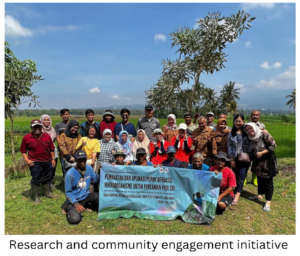
Share information with the next generation in surrounding villages:
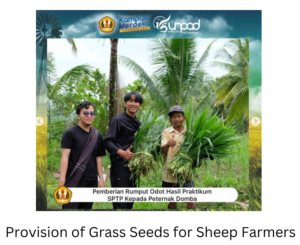
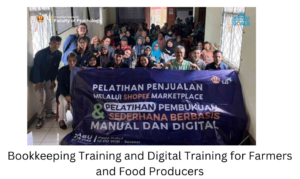
These events are held regularly to ensure broad access to learn from local farmers and food producers. Comprehensive information dissemination from these events is expected to provide agricultural knowledge and raise concern about the importance of food security, which has downstream impacts, namely health and welfare for the entire community.
Activities for local farmers and food producers facilitated by UNPAD:
- Manual and Digital Bookkeeping Training for Mekarsari Villagers: An Effort to Advance MSMEs
- Students of the Faculty of Animal Husbandry, Universitas Padjadjaran provide feed assistance (odot grass) to sheep farmers around the Pangandaran campus.
- Unpad Holds Processed Fishery Products Festival
- Planting Mangrove Seedlings in the Tanjung Cemara Area, Pangandaran Regency as an Effort to Protect Coastal Areas
- Socialization Activities for Sustainable Environmental Management Through the Actualization of the Urban Farming Program with Bandung Urban Agriculture Heritage
- Promoting Sustainable Environmental Management Through Urban Farming: Strengthening Organic Waste Management Knowledge for Urban Agriculture
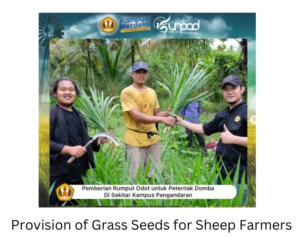
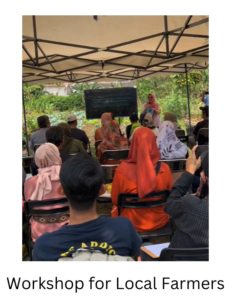
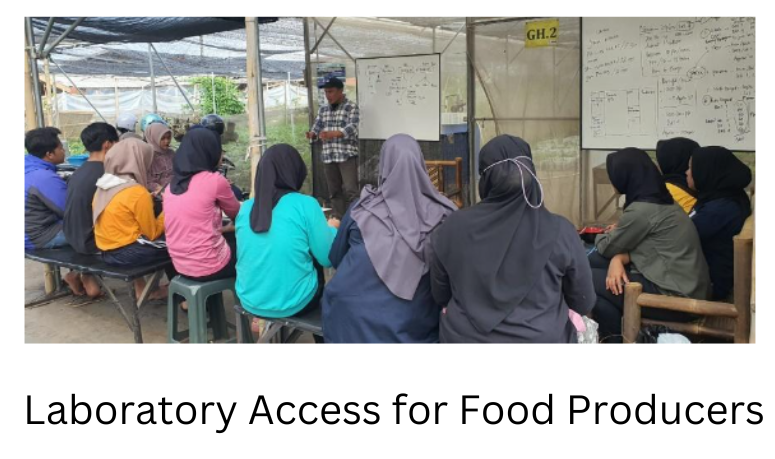
Providing access to local farmers and food producers to gain knowledge, information, or laboratory facilities to increase agricultural productivity. This collaboration with the agricultural sector is very important to provide much better food to academics and the wider community. This access is expected to have a major impact on the wider community, strengthening resilience.
Access to local farmers and food producers at universities:
- Excited to join forces with Meiji University for an incredible research and community engagement initiative led by Universitas Padjadjaran
- Development of Domestic Potato Agro-Industry Corporations Based on the Closeloop System
- Food Security: Management of Planting Various Healthy and Environmentally Friendly Fruits Integrated with Agrotourism (in Pajagan Village)
- FTIP Unpad and the Department of Agriculture and Food Security of Central Bangka Regency Collaborate on the Development of Local Food Products
Implementing a sustainable food purchasing policy is a natural action to maintain the balance of the ecosystem and support sustainable and environmentally friendly agricultural practices. Prioritizing the procurement of food ingredients from environmentally and socially responsible sources. UNPAD’s efforts to positively impact the environment while strengthening food security and the campus community’s health.
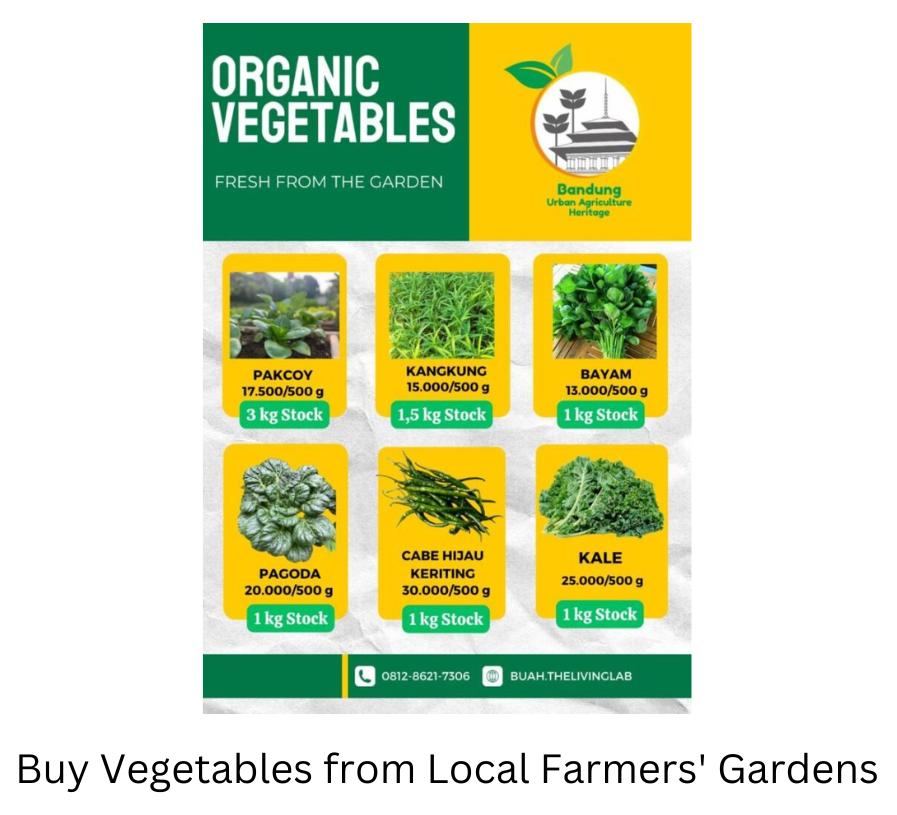
Efforts made to support sustainable food purchases:
- Sustainable Food Purchasing
- Breeding of natural dye plants (turmeric, telang flowers, sweet potatoes)
- FPIK Unpad Fish Cage Spreads 15,000 Fish Seeds in Jatigede Reservoir
- Buy Tasty Cisangkal Durian from Local Farmers
- Label design to increase sales of Honey as a Potential Product Based on Geological Diversity
- Promoting Sustainable Food Practices at Unpad Graduate School