
In 2024, Universitas Padjadjaran (Unpad) played an active role in a series of international comparative reviews aimed at enhancing global understanding and best practices across key areas of sustainability, health, and social development. Through collaborations with world class institutions and organizations including the Food and Agriculture Organization (FAO), OECD, KIT Royal Tropical Institute, and leading universities in Asia and Europe, Unpad contributed to comparative analyses on urban agriculture heritage, global health workforce, poverty and inequality, and entrepreneurial education. These initiatives underscore Unpad’s commitment to advancing evidence based policy, interdisciplinary research, and global cooperation in support of the Sustainable Development Goals (SDGs).
Global Issues Convention 2024
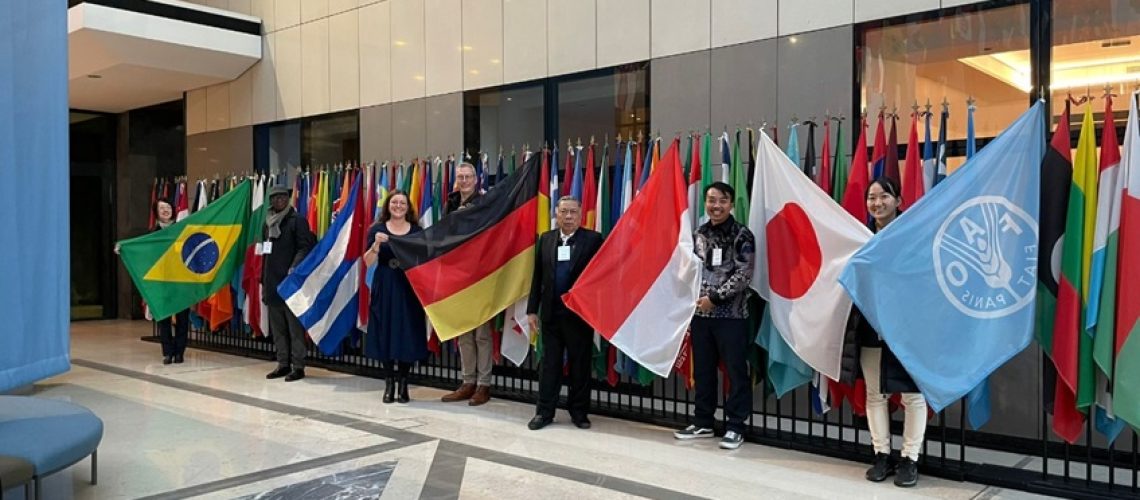
The CESS Universitas Padjadjaran actively participated in international collaborations aimed at reviewing global approaches and developing best practices to advance sustainability and the Sustainable Development Goals (SDGs). From 19 to 21 November 2024, CESS Unpad took part in the Global Issues Convention 2024 organized by the Volkswagen Foundation in Hannover, Germany, which brought together 184 researchers from 20 international funding programs under the initiative “Global Issues Integrating Different Perspectives.” Representing the INSUAH (Integrated Study on Urban Agriculture Heritage) project, a collaboration among five countries: Germany, Japan, Brazil, Cuba, and Indonesia, CESS shared insights from its Bandung Urban Agriculture Heritage (BUAH) Living Lab, a model that integrates cultural heritage with scientific innovation to build climate resilient and socially sustainable urban food systems.
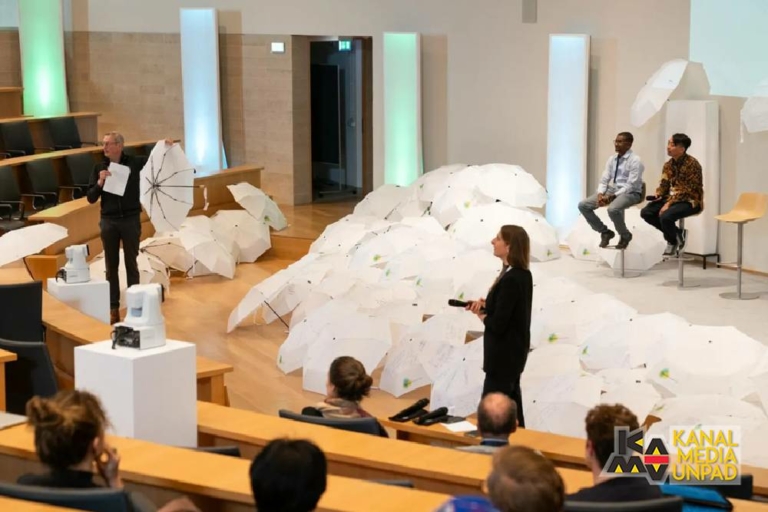
Continuing this initiative, CESS Unpad joined the INSUAH Global Meeting at the Food and Agriculture Organization (FAO) headquarters in Rome, Italy, on 25 to 26 November 2024. The team, led by Dr. Gemilang Lara Utama and Prof. Oekan S. Abdoellah, presented a comparative review of heritage based urban agriculture practices, highlighting Bandung’s approach inspired by the Sundanese philosophy “Ngindung Ka Waktu, Mibapa Ka Jaman.” The discussion with FAO experts and INSUAH partners produced global best practice recommendations aligned with FAO’s Green Cities and Globally Important Agricultural Heritage Systems (GIAHS) initiatives, reinforcing CESS Unpad’s role in developing internationally recognized models for SDG 2 (Zero Hunger), SDG 11 (Sustainable Cities and Communities), SDG 13 (Climate Action), and SDG 17 (Partnerships for the Goals).
Evaluation of the Decade for Strengthening Human Resource for Health (2015-2024)
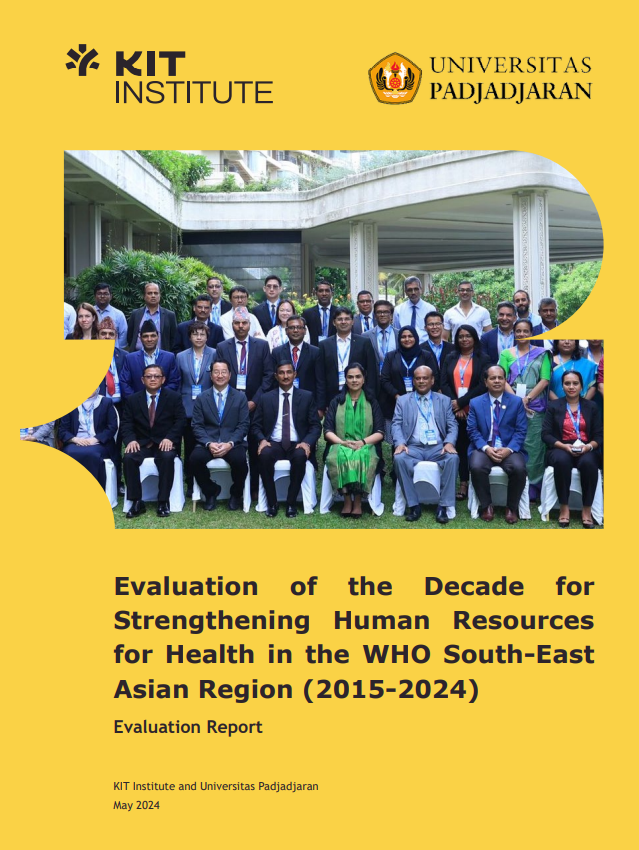
In addition, Unpad joined the international evaluation initiative titled Evaluation of the Decade for Strengthening Human Resources for Health (2015 to 2024), hosted by KIT Royal Tropical Institute, which assesses global human resource strategies in the health sector. By engaging in comparative analysis of health workforce policies across multiple countries, Unpad’s involvement assists in formulating best practice frameworks for strengthening health systems, aligning with SDG 3 (Good Health and Well Being) and SDG 17 (Partnerships for the Goals).
Best Practice on OECD Meeting 2024
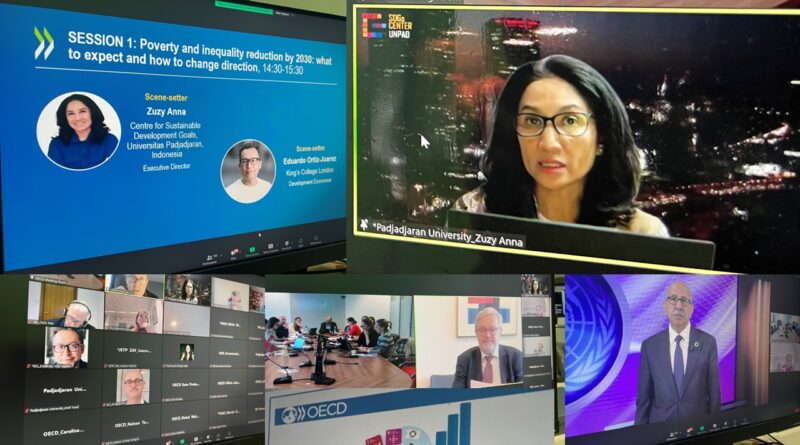
Universitas Padjadjaran’s SDG Center, in collaboration with King’s College London, conducted a global study titled “Will the poverty related UN Sustainable Development Goals be met? New Projections,” published in Global Policy as part of “The Shifting and Increased Complexity of Global Poverty and Inequalities.” The research projects that by 2030 around 619 million people will remain in extreme poverty and was cited in the OECD Development Cooperation Report 2024 as a key reference for global policy. Prof. Zuzy Anna, Director of the SDGs Center Unpad, also presented the findings at an OECD meeting, highlighting the study’s role in shaping evidence-based strategies to address SDG 1 (No Poverty) and SDG 10 (Reduced Inequalities).
Collaboration for SDG Best Practices in Maternal Nutrition and Pharmaceutical Standards
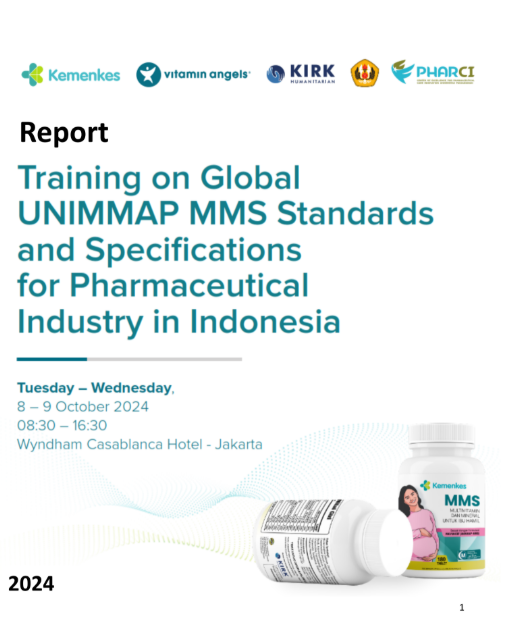
Universitas Padjadjaran (Unpad), in collaboration with PHARCI, the Ministry of Health of the Republic of Indonesia, Vitamin Angels, and KIRK Humanitarian, participated in the Training on Global UNIMMAP Multiple Micronutrient Supplement (MMS) Standards and Specifications for the pharmaceutical industry, held on 8–9 October 2024 at the Wyndham Casablanca Jakarta Hotel. This activity supports national health policies, including the Minister of Health’s direction and BPOM Regulation No. 15 of 2024, which facilitates the registration and local production of UNIMMAP MMS to strengthen maternal nutrition programs and pharmaceutical resilience in Indonesia. Conducted as a coaching clinic, the training aimed to disseminate regulations, explain MMS specifications, align production with national priorities, and share global expert consensus adapted to the Indonesian context, while addressing supply, demand, and market readiness. Through this initiative, Unpad contributes to collaboration for SDG best practices by strengthening multi stakeholder partnerships and promoting evidence based approaches in improving maternal health and nutrition systems.
Report