
The Bottom Financial Quintile Admission Target shows a university’s commitment to expanding access for students from low-income backgrounds. It reduces financial barriers through scholarships, tuition support, and inclusive admission pathways. This effort promotes equitable education and helps reduce poverty through empowerment.
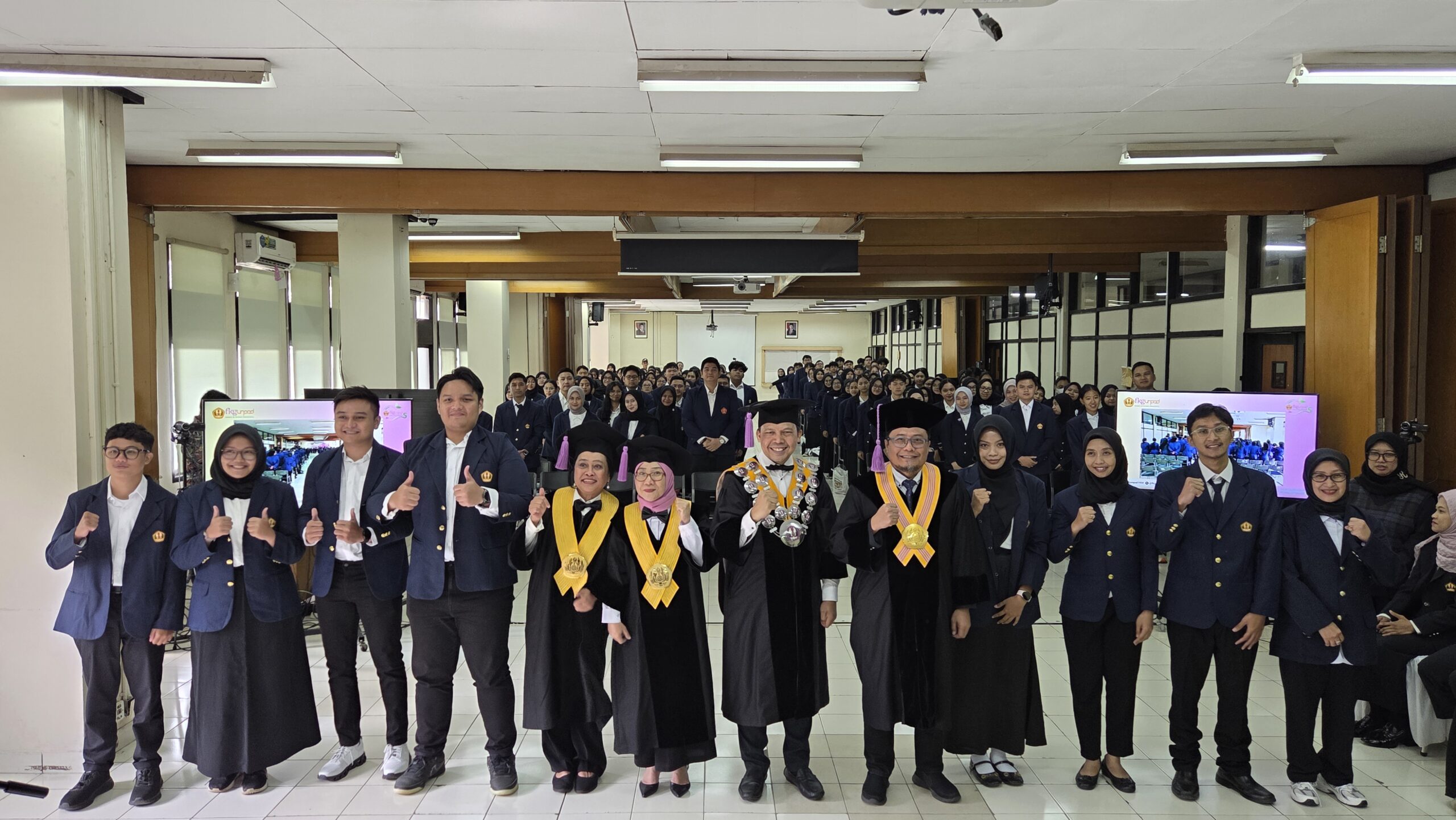

Tuition Fee Reduction for Economically Disadvantaged Students
Universitas Padjadjaran provides tuition fee reductions (UKT discounts) to support students from low-income families, ensuring financial challenges do not hinder their education. The discount is allocated based on socioeconomic conditions, especially for final-year students completing their thesis. This policy reflects Unpad’s commitment to inclusivity and equitable access to higher education.
Integration of the National Kartu Indonesia Pintar (KIP) Program
Universitas Padjadjaran integrates the Kartu Indonesia Pintar (KIP-Kuliah) program to expand educational access for students from the lowest income quintile. The program provides tuition exemption, living allowances, and free dormitory facilities, ensuring continuous support throughout their studies. This initiative reflects Unpad’s commitment to educational equity, inclusion, and achieving the bottom financial quintile admission target. Rector’s Regulation on the Kartu Indonesia Pintar Program. Universitas Padjadjaran reinforces its commitment to social inclusivity through Rector’s Regulation Number 30 of 2024 on Scholarships for Universitas Padjadjaran Students, which governs the implementation of the Kartu Indonesia Pintar (KIP-Kuliah) program. This regulation establishes a clear legal and administrative framework for admitting students from low-income households, ensuring fair selection, verification, and academic monitoring. It institutionalizes Unpad’s support for students from the bottom financial quintile, ensuring sustainability, accountability.
Prioritizing Economically Disadvantaged Groups in Admission Policies
Universitas Padjadjaran consistently prioritizes students from economically disadvantaged groups through both national and independent admission pathways. This affirmative policy targets households within the lowest 20 percent income bracket, including students from remote and underdeveloped (3T) regions. By providing special admission quotas and targeted entry schemes, the university ensures equal access to quality higher education while promoting social mobility and poverty reduction. This initiative reflects Unpad’s commitment to inclusive and sustainable human development through education.