
Universitas Padjadjaran (Unpad) has strengthened its global standing in SDG 2: Zero Hunger, ranking 18th globally in the THE Sustainability Impact Ratings 2026 with a score of 86.1, rising significantly from 60th place in the previous year. This achievement highlights food security and sustainable agriculture as one of Unpad’s strongest areas of impact and reflects the university’s sustained contribution to addressing challenges across food and agricultural systems.
Food and agriculture are deeply embedded within Unpad’s academic ecosystem. Through study programmes including Agrotechnology, Agribusiness, Food Technology, Agricultural Engineering, Animal Husbandry, Fisheries, and Marine Science, the university brings together multidisciplinary expertise spanning agricultural production, food technology, livestock, fisheries, and agribusiness. This academic foundation supports the development of knowledge, human resources, and innovation needed to strengthen food security and build more sustainable and resilient food systems.
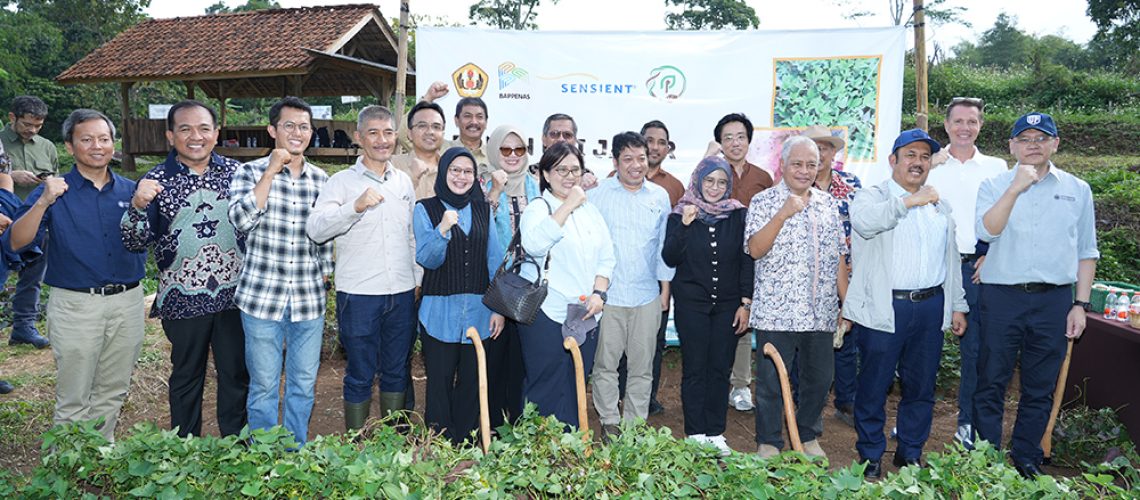
Research and innovation play an important role in advancing this contribution. One example is the Padjadjaran Center for Sweet Potato Research and Innovation Excellence (PRAISE), an integrated research center dedicated to advancing sweet potato science and innovation. Building on nearly two decades of research, PRAISE works across the value chain, from germplasm conservation and the development of improved varieties to sustainable cultivation, post-harvest technology, and value-added products. Its work demonstrates how research on a strategic food commodity can contribute to food diversification, agricultural resilience, and sustainable food systems.
Beyond PRAISE, Unpad continues to develop research and technologies addressing a broad range of agricultural and food challenges. These include innovations in sustainable agricultural inputs, crop productivity, livestock biotechnology, alternative feed technologies, and the application of digital approaches and data in agriculture. By connecting expertise across disciplines, Unpad seeks to translate scientific knowledge into innovations that respond to the evolving needs of agriculture and food production.
Unpad also connects its academic expertise with farmers and food-producing communities through training, workshops, mentoring, and community-based programmes. Farmers, livestock producers, and agricultural practitioners are engaged in areas such as sustainable agriculture, livestock management, food processing, and agricultural technology. The university also facilitates access to research-based knowledge, agricultural technologies, and resources such as improved plant and seed materials, helping bring academic knowledge and innovation closer to practical applications in local communities.
These efforts extend to strengthening sustainable local food systems and relationships with food-producing communities. Unpad supports connections with local farmers and producers, including initiatives that link locally produced agricultural products with the university ecosystem. Community-based initiatives, including hydroponic vegetable production by local women’s groups, illustrate how sustainable food production can also create economic opportunities while strengthening relationships between the university and surrounding communities.
Unpad’s position as 18th globally for SDG 2: Zero Hunger represents international recognition of an area closely connected to the university’s academic strengths and societal contribution. By bringing together multidisciplinary education, research and innovation, engagement with farmers and food producers, and sustainable food practices, Unpad continues to strengthen its contribution to food security and sustainable agriculture, translating academic expertise and innovation into meaningful impact for communities and society.