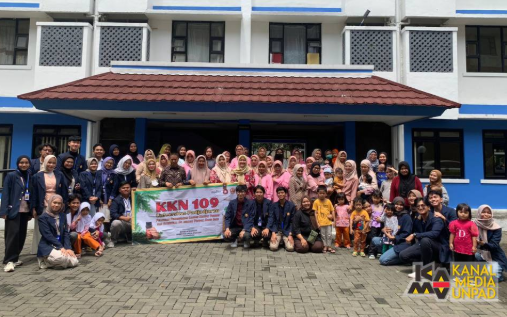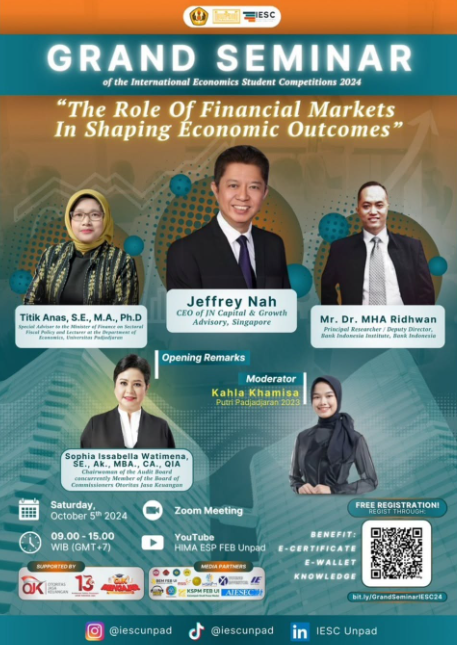
Vocational Training Events (Lifelong Learning) at Universitas Padjadjaran demonstrate the university’s dedication to extending education beyond its enrolled students. Unpad regularly hosts short courses, executive education programs, and vocational training sessions that are open to the general public, focusing on practical skills development in various fields such as business, technology, agriculture, and community empowerment. These programs aim to enhance workforce competence, promote entrepreneurship, and support lifelong learning for individuals from diverse backgrounds.
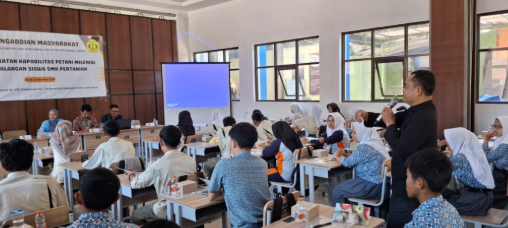
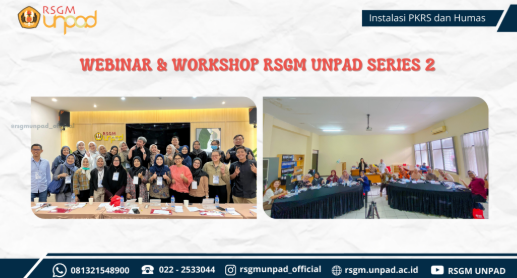
Enhancing the Capability of Millennial Farmers
Universitas Padjadjaran is committed to enhancing the capabilities and competitiveness of millennial farmers through open training programs that combine agricultural techniques, entrepreneurship, and digital technology. This program is accessible to the general public, particularly young individuals interested in entering the modern agricultural sector. Participants are trained in sustainable land management, agricultural supply chain systems, and data-driven applications to improve production efficiency. Using a field-based and practical learning approach, the program equips young farmers with skills aligned with future agricultural industry demands.
The training also focuses on transforming the mindset of young farmers to become more innovative and adaptive to global technological and market developments. Through collaboration with local governments, financial institutions, and industrial partners, Unpad creates an inclusive and sustainable agricultural ecosystem. This initiative supports the university’s mission of providing executive education and vocational upskilling opportunities for the wider public.
Digital Agribusiness Course and Intermediate Agribusiness Marketing Course
As part of its non-degree learning initiatives, Universitas Padjadjaran offers Digital Agribusiness Course and Intermediate Agribusiness Marketing Course, short-term training programs open to the public and agribusiness practitioners. These courses aim to improve participants’ understanding of digital agricultural marketing, e-commerce platforms, and technology-based branding strategies. Delivered through hybrid learning methods, the programs combine theoretical instruction, practical exercises, and case studies that allow participants to apply knowledge in real-world contexts.
This program equips local agribusiness actors with the skills to expand market reach and increase the value-added potential of agricultural products. Participants receive competency certificates acknowledging their professional advancement. By hosting these open training courses, Unpad strengthens its role as a provider of executive education programs tailored to community and industry needs in the digital agriculture sector.
Used Cooking Oil Processing Training for Rural Communities
Through its community engagement initiatives, Universitas Padjadjaran conducts training on processing used cooking oil for rural residents to promote environmental awareness and entrepreneurship. The training teaches participants how to transform used oil into economically valuable products such as soap, candles, and alternative fuel. Beyond technical skills, the program fosters understanding of the circular economy and sustainable waste management as essential components of rural economic empowerment.
The training is open to the general public and serves as a means of transferring applied knowledge from academia to local communities. Continuous mentoring helps participants turn their training outcomes into small-scale business opportunities, thus improving livelihoods and environmental stewardship. This initiative demonstrates Unpad’s contribution to vocational education and community-based innovation.
Universitas Padjadjaran plays an active role in strengthening vocational education and industry connectivity through capacity-building, certification programs, and project-based learning (PBL). This initiative seeks to align vocational education curricula with industry demands, update lecturers’ competencies, and prepare students for a dynamic job market. One of the key applications of this model is the Teaching Factory (Tefa), where students participate in real production activities that generate goods or services accessible to the public.
Through Tefa, Unpad fosters a productive and experiential learning environment that integrates academic theory with practical industry applications. The program also facilitates cross-sector collaboration among universities, businesses, and government institutions to build a sustainable and adaptive vocational education ecosystem. By opening these activities to the public and industrial stakeholders, Unpad strengthens its role as a provider of executive education and vocational training aligned with future workforce needs.