
Universitas Padjadjaran pays great attention to equitable education, especially for prospective students from low-income families. Universitas Padjadjaran’s main focus in achieving this target is to commit to providing scholarships and tuition fee relief at the university. This action is one form of Universitas Padjadjaran accepting students from Indonesia’s bottom 20% of families. In addition, the steps taken by UNPAD to achieve this are through the UNPAD Strategic Plan for 2020-2024 and the Chancellor’s Decree on the Adjustment of Single Tuition Fee (UKT) Payments for Universitas Padjadjaran Students, this allows students to pay tuition fees according to their economic capabilities.

Other scholarships from UNPAD’s collaboration with other institutions are also implemented and increased every year. All faculties at UNPAD have implemented a tuition fee relief program for poor students. The following is data on students who receive various scholarships from UNPAD. The commitment of faculties at UNPAD to accepting families with the lowest 20% income.
The following are various types of scholarships provided by UNPAD for students:
- Universitas Padjadjaran Strategic Plan
- Rector Decision on Adjusment of Single Tuition Fee Payment for UNPAD Students
- Scholarship Report
- 2023 Scholarships with Various Programs
- Financial Assistance from the Faculty of Psychology in the form of scholarships, UKT reductions, and UKT adjustments in 2023 to 153 students
- Unpad Provides Tuition Fee Discounts for Children of University Employees Based on Employee Grade
- Scholarship Recipients of the Faculty of Agriculture Create Superior and Innovative Young Doctorates
- Improving Education Through KIP Lecture Scholarships: There Are 78 Students Who Get Scholarships at the Faculty of Agriculture, Padjadran University
- Unpad Graduate School Welcomes Students from Kenya Championing Inclusivity and Sustainable Development
The main goal of improving access and achievement at Universitas Padjadjaran is the success of students from low-income groups. The achievements of graduates from low-income students are recorded. The following is data on graduates in 2023 from faculties at UNPAD who were scholarship recipients from underprivileged families. UNPAD’s achievements in helping underprivileged people graduate from college are also very much noticed.
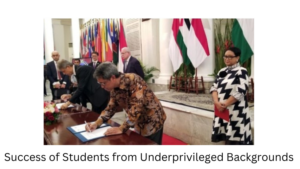
One of our efforts is to prioritize the first generation who attend college in their families so that they can complete their studies without any major obstacles. Through various efforts, UNPAD is firmly committed to providing equal opportunities to achieve quality higher education. The graduations obtained are tangible evidence of the positive impacts provided by the university and faculty.
The following is evidence of the achievements of students from lower economic backgrounds:
- Best Graduates of Unpad Nursing Profession Program Receive Scholarships from Underprivileged Families
- Scholarships for students from Palestine to pursue undergraduate studies at Unpad’s Faculty of Medicine
- Supports First-Generation College Students, Promoting Educational Accessibility
- Students from Underprivileged Families Graduate with Bachelor’s and Master’s Degrees
UNPAD is very much considering the form of support for students from underprivileged families. One is prioritizing students from the lower middle class who get dormitories provided by the campus. Not only are educational and housing scholarships provided by UNPAD but support such as legal aid helps them overcome any legal problems that may affect their studies or personal lives. This legal aid service is essential to the university’s commitment to student welfare.
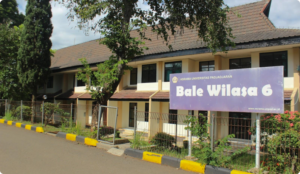
By providing this support, Unpad ensures students can focus on their academic goals without legal problems. The legal aid program reflects the university’s holistic approach to student support, which addresses academic needs and personal and legal challenges. Another effort was made to provide an opportunity to reduce their tuition fees through a tuition fee adjustment form.
Some forms of UNPAD support for students such as:
- Verification Results of Prospective Residents of the Bale Wilasa Unpad Dormitory
- Padjadjaran Dormitory
- Student Support at Universitas Padjadjaran: Scholarships, Housing, and Legal Aid
- Housing for Poor Students from Outside the Region
- Unpad Continues to Support Underprivileged Students Through Bidikmisi Scholarship Program
- UKT Fund Relief/Loan Form

One form of support for students to complete their studies is to conduct mentoring that forms their soft skills and hard skills in completing their education. One of them is mentoring in writing papers/proposals, as evidenced below.
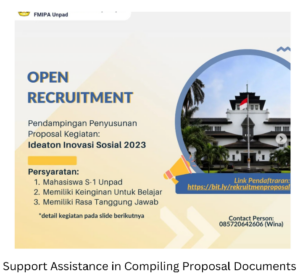
Chapter 4 in Sustainability Guidelines Supporting outlines the institution’s commitment to providing critical support to students from low-income families, ensuring they can successfully complete their higher education. In addition to supporting its students, SPs UNPAD actively participates in policy-making and regulatory efforts at the local level to alleviate poverty.
Activities to support student skills include:

Universitas Padjadjaran takes concrete steps to support students from low-income backgrounds by providing scholarships or free study opportunities at UNPAD. Students at FMIPA have received tuition fee assistance from various private and government institutions, such as BCA Bakti, YBM Brillian, Yayasan KSE, the West Java Provincial Government, and others. Several students have also received scholarships from the Ministry, including the Bidik Misi, KIP, and scholarships from Unpad.
- Scholarship Report
- Smart Indonesia Card – College for People from Underprivileged Families
- Higher Education Affirmative Scholarship Program
- Unpad Faculty of Medicine Grants Full Scholarships to Students from Palestine
- 2023 Scholarship Recipients
Beasiswa Kemitraan Negara Berkembang (Developing Country Partnership Scholarship), popularly known as the KNB Scholarship, is a prestigious scholarship program offered by the government of the Republic of Indonesia to selected applicants from developing countries. Managed by the Directorate General of Higher Education, Ministry of Education and Culture, the scholarship has been disbursed since 2008 to 1,290 recipients from 94 countries. DONAT (DOnasi Untuk sahabAT) is a fundraising movement that aims to donate funds to the Faculty of Fisheries and Marine Sciences who are struggling to pay tuition. Scholarships for students of the Faculty of Geological Engineering in collaboration with Bank Indonesia. Scholarships awarded to students of the Faculty of Agricultural Industry Technology.
Tuition Fee Support for Students from Underprivileged Cities/Countries:
- Developing Countries Partnership (KNB) Scholarship
- Donate to Friends- Fundraising for Students to help Pay for College Tuition
- Bank Indonesia Scholarship 2023 for Undergraduate Program Students
- Application for 50% Tuition Fee (UKT) Reduction
- Scholarship Recipient Data
- 167 Scholarship Recipient Students
- Tuition Fee Relief for Final Year Students from Underprivileged Families
UNPAD routinely holds competitions for campus residents who are actively innovating. The training covers not only administration or upstream in starting a business but also downstream from the company’s running, namely financial reports, stock, or other things. This is to provide students with direct experience of how real actions and cases occur in the field of business.
Various types of training are provided for local businesses such as:
- Proposal Preparation Guidance for The Social Innovation Ideathon Program
- Increasing Access to Research to Reasearch Based Innovation Funding Sources
- Seminar from the Directorate of Innovation and Corporation for MSMEs and Local Startups
- Complete business support ecosystem (business stimulants, business mentors, dormitories, technology, marketing/expo, legal)
- Pricing Strategy Class, Product Photo & Video Technique Class
- Evaluation and Monitoring of Learning Achievements
- Local Startup Receives Mentoring from UNPAD
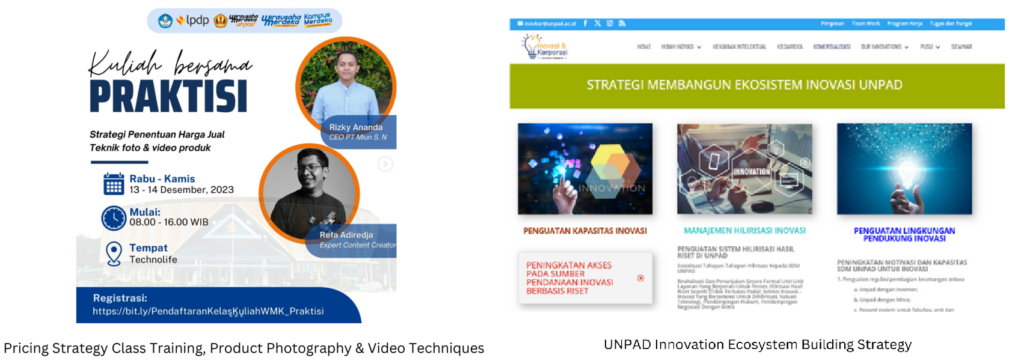
UNPAD carries out training assistance in making proposals and bookkeeping reports for sales for the surrounding community. The training is not only accessible to UNPAD students but also to the entire academic community on campus and the general public who meet the requirements given. UNPAD actively conducts training in villages around the province of West Java. This is one form of real action by UNPAD in providing soft skills or hard skills assistance to the surrounding community that is starting a business.
Training to support local startups conducted in Indonesian villages:
- Empowering The Potential of UMKM/Local Start-up
- Manual and Digital Bookkeeping Training for Mekarsari Villagers: An Effort to Advance MSMEs
- MSME Product Administration and Packaging Training
- Support Local Products Research Results from UNPAD Community
- Learning Resources for Planting or As an Educational Tourism Destination
- Empowerment of Ultra Micro and Micro Women Entrepreneurs in Garut Regency
- Support Local Start-up Tourism Village
- Utilization of Honey Bees in Bangunjaya Village as a Potential Geodiversity-Based Product
- Improving Fisheries Cultivation Capabilities in Utilizing Limited Land
Assisting with financial topics is something that UNPAD pays close attention to. Routine training on financial management in pioneering businesses or businesses is UNPAD’s main priority for existing local start-ups. Fund management activities or providing funds/grants given to help local start-ups are often carried out by UNPAD to students and the general public starting businesses. This is a form of real action by UNPAD in realizing goal 1 of the SDGs.
Programs that provide financial assistance to local startups:
- Unpad Business Incubator Center
- Unpad Students Develop “One Stop UMKM” Digital Service for SMEs
- Digital Service to Support MSME Marketing and Support MSMEs to Find The Right Market Through Digital Platforms
- Impact Driven Start-up & UMKM Competition [National Start-up & UMKM Competition Total Price 200 Million]

Local start-ups that receive financial assistance from UNPAD to develop and expand their business networks:
Providing access to services to the entire UNPAD community or the general public has been carried out, such as training or programs to increase access or knowledge through existing essential services. These services are usually considered fundamental rights and are essential for the welfare of individuals and communities. They include education, health, electricity, transportation, security, food, housing, social services, and communication and information.
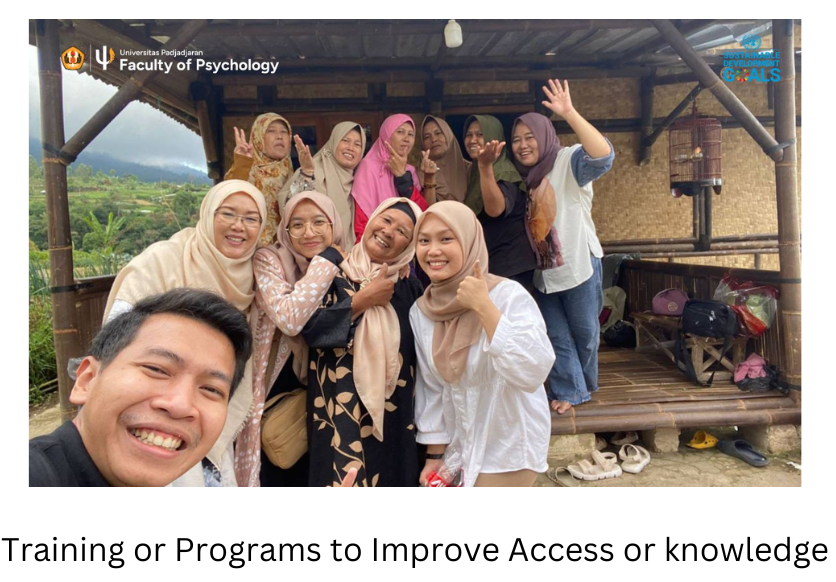
Basic services provided by UNPAD for free:
- Unpad Provides Student Dormitory and Inter-Campus Transportation Services
- Basic Services in the Form of Access to Information on Getting a Job from a Job Fair
- Developing Housing Industry Development through Capacity Building Programme in PEKKA Cianjur to Reduce Poverty of Women Headed Households
- KS/TM Scholarship Application in Each Study Program
- Building/Room Facilities
Universitas Padjadjaran has designed various policies to support poverty alleviation through academic, research and community empowerment approach as part of its commitment to sustainable development. These policies focus on improving economic welfare, strengthening human resource capacity, and developing innovations relevant to local communities.
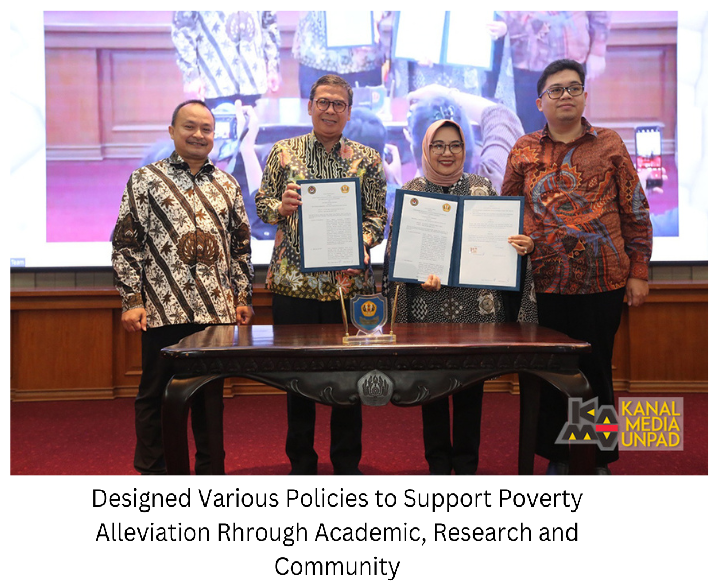
The policy initiated by UNPAD is not only in the form of relief for manageable costs for studying at university but also initiates general policies directly to the government so that it can have an impact on eliminating poverty more widely, not only on campus.
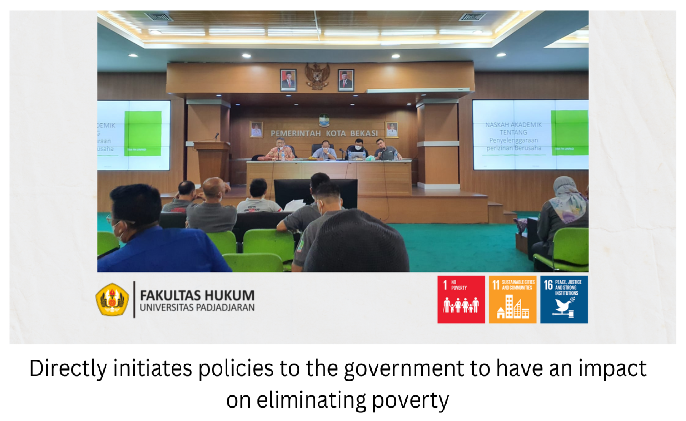
Policies to eradicate poverty:
- Rector Decree of Universitas Padjadjaran – Adjustment of Single Tuition Fee (UKT) Payment for Underprivileged Students at UNPAD
- FH Unpad Makes Academic Contributions to Formulating Policies Aimed at Developing Local Tourism Potential
- Collaborating with the Coordinating Ministry for Human Development and Culture to Eradicating Extreme Poverty
- Faculty of Animal Husbandry Unpad Provides Assistance to Cleaning and Security Personnel and Orphanage Assistance
- Poin 6.12 – Assistance for Students From Low-Income Families