
Universitas Padjadjaran actively promotes sustainable tourism through educational outreach and community engagement programs that integrate environmental awareness with local empowerment. From developing tourism maps in Lebakmuncang and formulating a master plan for Warnasari Village to organizing the Unpad Tourism Fest 2024, these initiatives foster collaboration between students, local communities, and institutions. Each activity emphasizes the preservation of cultural and natural heritage, responsible tourism practices, and long-term sustainability, reflecting Unpad’s commitment to advancing tourism that benefits both people and the environment.
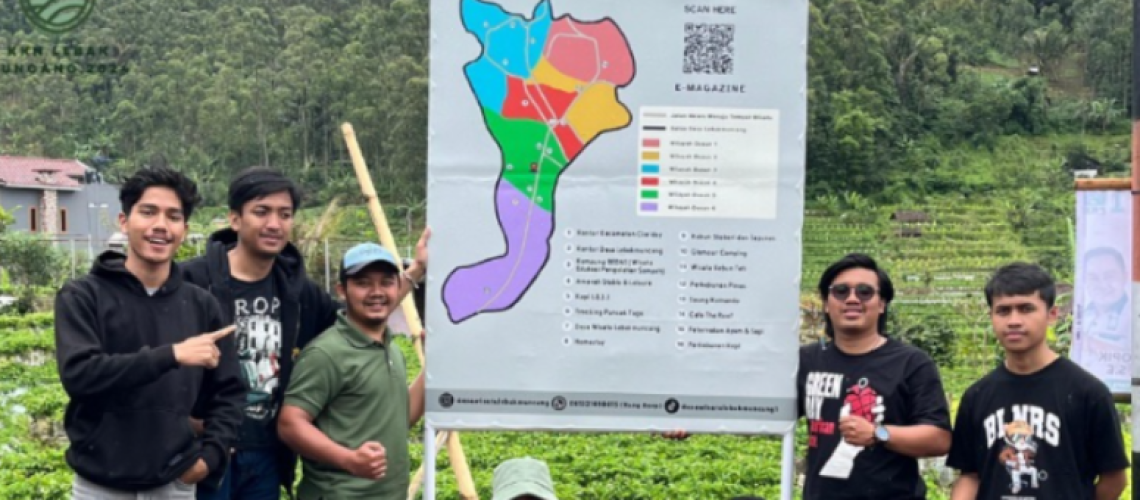
Unpad Students Develop Tourism Map to Promote Lebakmuncang Village’s Cultural Attractions
The Universitas Padjadjaran KKN Group 74 developed a tourism map highlighting the cultural and natural attractions of Lebakmuncang Village, Ciwidey, Bandung Regency, as part of their community service program. The map was designed to provide clear information on attractions, accessibility, activities, and amenities to support local tourism development. Through this initiative, the students aimed to strengthen community awareness and promote Lebakmuncang as a sustainable and culturally rich tourism destination.
Sustainable Land Management for Tourism through Community Education in Ciletuh Geopark
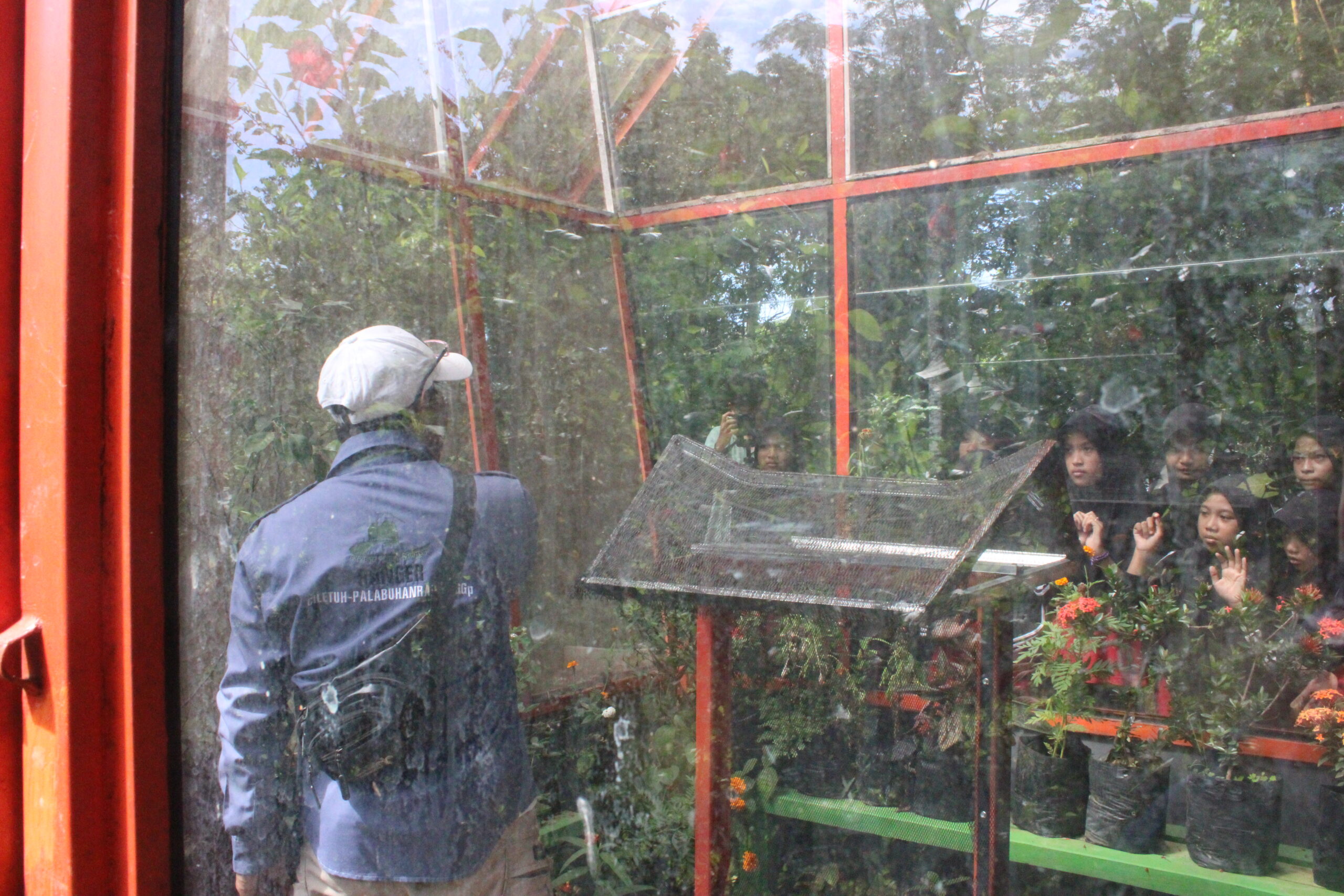
In 2024, Universitas Padjadjaran delivered educational outreach on the sustainable management of land for tourism through its Kuliah Kerja Nyata (KKN) program in Tamanjaya Village, located within the Ciletuh Geopark area in Sukabumi. The program introduced the community to the geological, ecological and cultural significance of Ciletuh Geopark, emphasizing how its landscape, rock formations, waterfalls and coastal ecosystems form an integrated natural heritage that must be protected as tourism grows. Through the theme “Solidarity in Biodiversity: Love, Learn, and Conserve Our Nature,” students facilitated learning sessions on conserving geological sites, managing visitor activities to prevent land degradation, and promoting local cultural practices that support sustainable tourism.
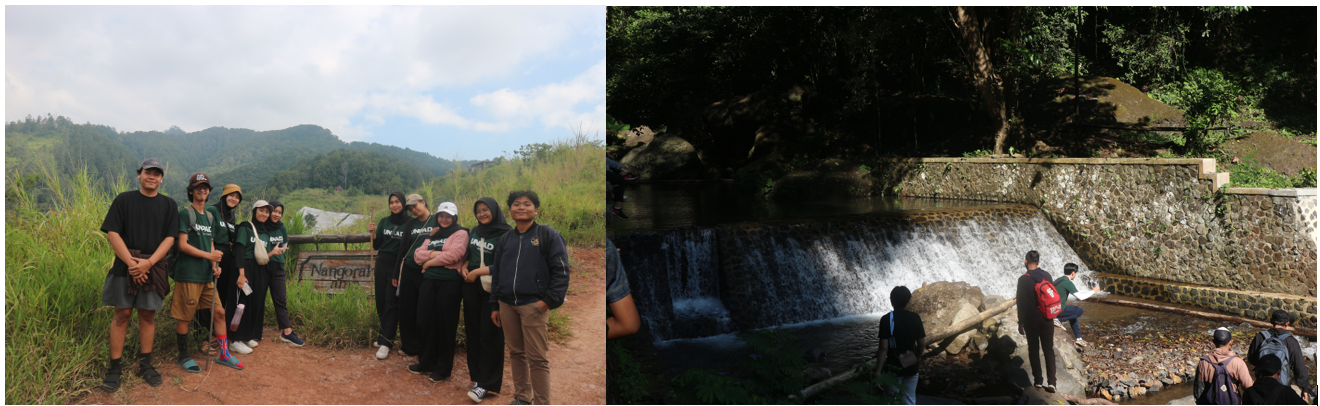
The outreach also highlighted how geodiversity and biodiversity in the Ciletuh Geopark landscape can become valuable educational attractions when managed responsibly. Community members were guided on how to interpret geological features for tourists, maintain the integrity of natural sites, and develop tourism activities that respect ecological limits. By combining environmental education with local capacity building, the program strengthened the community’s ability to position Tamanjaya as a sustainable gateway to Ciletuh Geopark, ensuring that tourism development enhances economic opportunities while preserving the land, culture and natural values that define the region.