
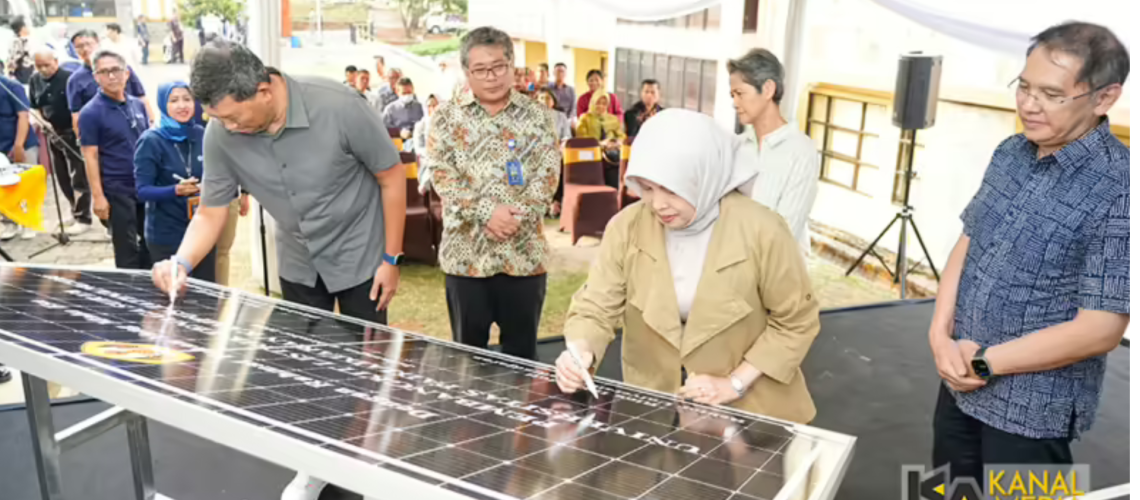
Universitas Padjadjaran (Unpad) has implemented a structured policy to progressively upgrade existing buildings to meet higher energy efficiency standards, as stated in the Rector’s Regulation No. 13 of 2022 on Green Buildings within Universitas Padjadjaran. This regulation establishes a long-term framework for transforming campus infrastructure into sustainable, energy-efficient, and environmentally responsible facilities.
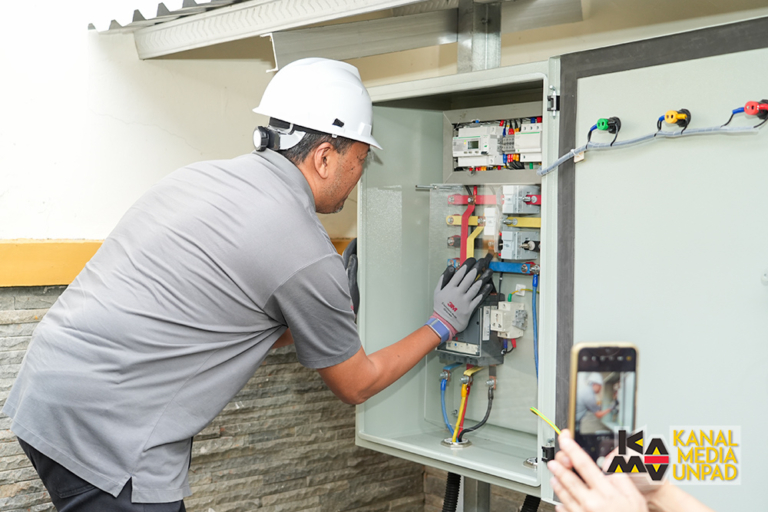
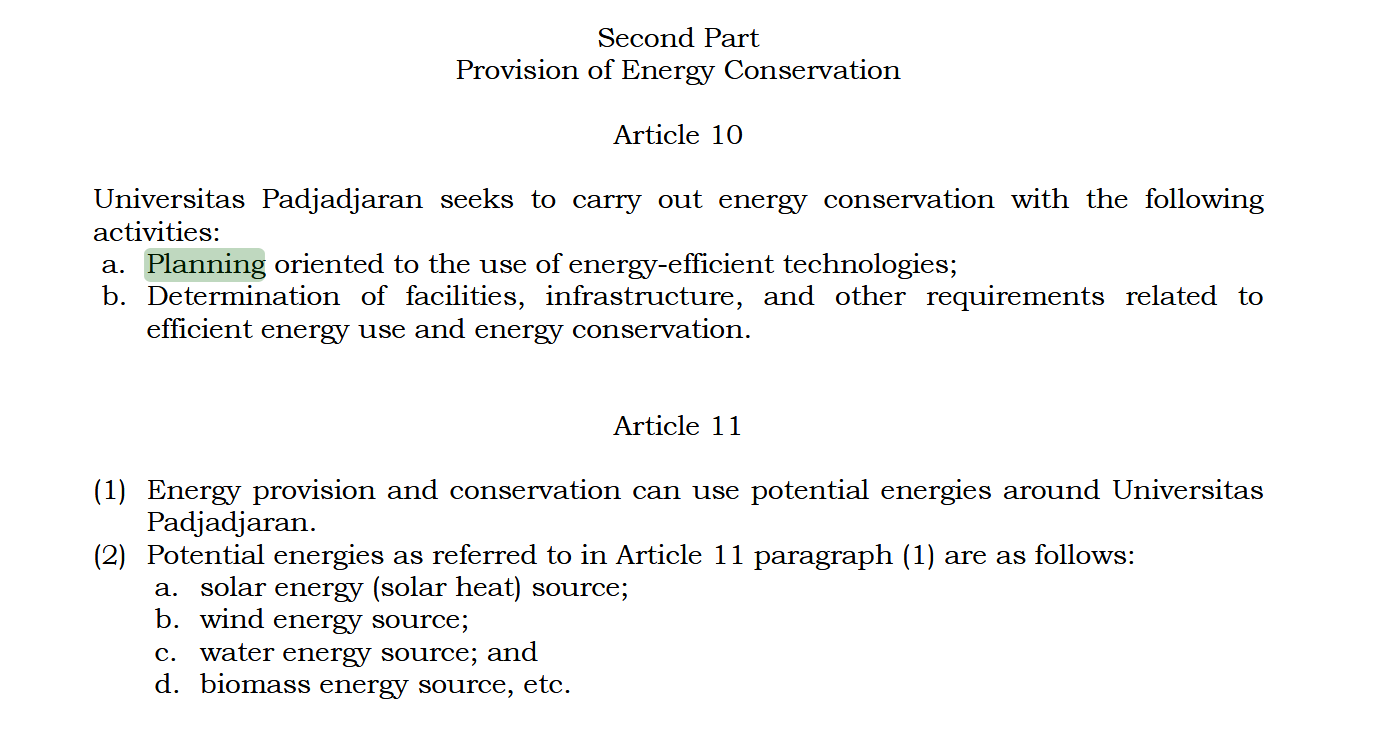
Article 7(2) explicitly mandates that energy efficiency efforts in existing office buildings, lecture buildings, and dormitories “are carried out in stages.” This indicates a phased plan to retrofit older buildings with improved technologies, better insulation, and energy management systems to enhance efficiency and reduce energy consumption.
Furthermore, Articles 8 and 9 detail the implementation of both public and special policies for energy efficiency. These include energy management and monitoring systems, setting minimum and optimal energy usage levels, and conducting maintenance and gradual replacement of lighting and air-conditioning units with more efficient alternatives. The regulation also emphasizes the application of green building principles (Article 6), promoting resource conservation, waste reduction, and continuous technological innovation.
To support these measures, Unpad has also integrated IoT-based energy monitoring systems in selected campus buildings as part of its energy management strategy. These systems collect real-time data on electricity consumption, enabling better tracking of energy use patterns, early detection of inefficiencies, and data-driven decision-making for upgrades and retrofits. The IoT platform also supports automated controls and alerts that help reduce waste and optimize building performance over time.
Development of IoT for Energy Efficiency
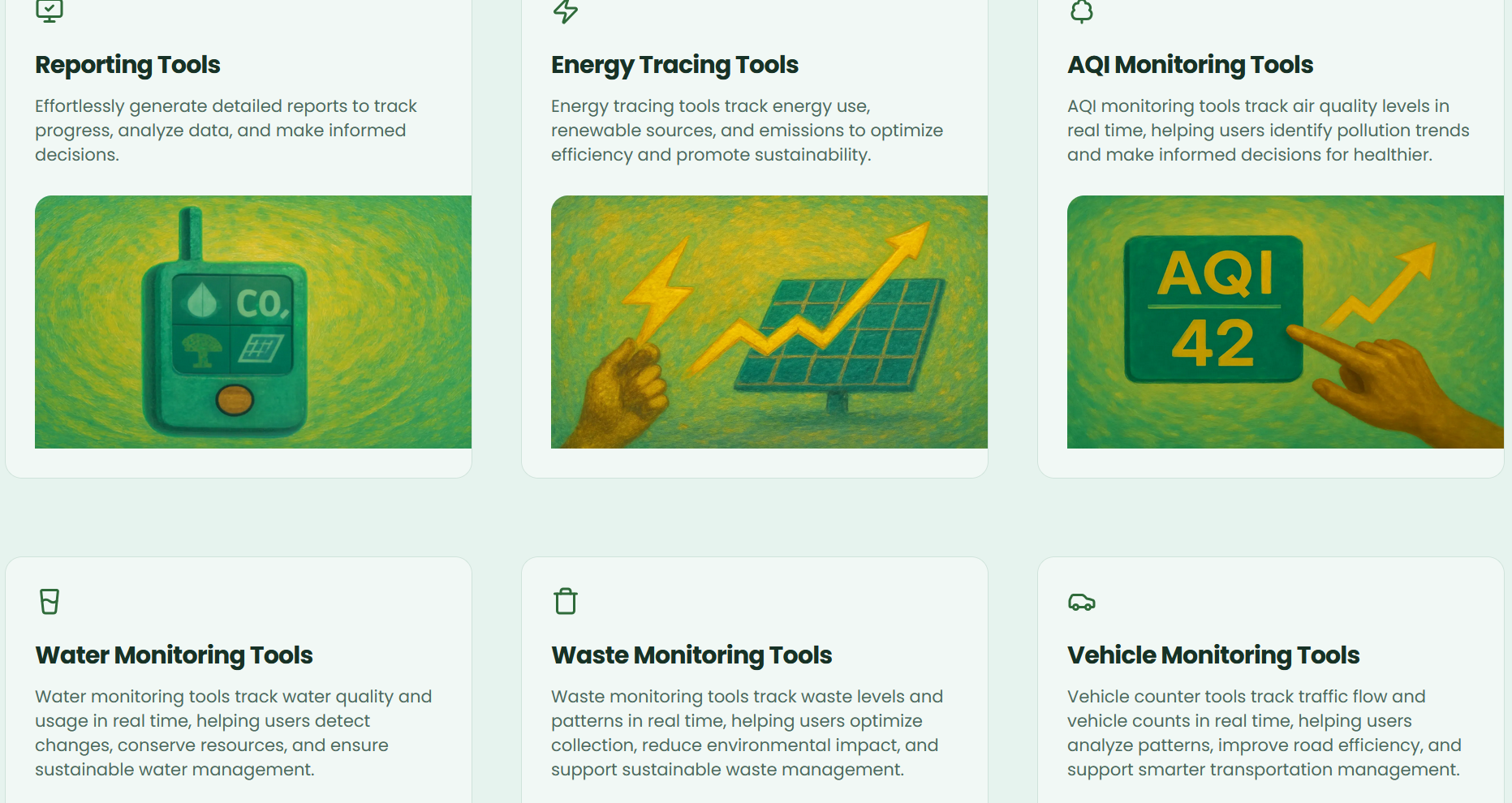
Through this combined regulatory, operational, and technological approach, Unpad ensures that all renovation and maintenance projects contribute to improved energy performance and climate resilience. The university’s progressive upgrade plans align with Indonesia’s national energy conservation directives and directly support the achievement of Sustainable Development Goal (SDG) 7: Affordable and Clean Energy and SDG 13: Climate Action.