In 2024, Universitas Padjadjaran strengthened its commitment to sustainable campus development by prioritizing the redevelopment of brownfield sites across its academic areas. This approach allows the university to focus on transforming previously developed, inactive, or underutilized land instead of opening new areas, thereby reducing environmental pressure and preserving existing natural landscapes. Through this strategy, Unpad ensures that campus expansion remains responsible, efficient, and aligned with long term sustainability goals.
The redevelopment process incorporates a wide range of sustainability considerations. These include ecological restoration, the improvement of microclimate conditions, the use of energy efficient building features, and the integration of natural lighting and ventilation to reduce overall energy demand. Planning also emphasizes the creation of functional, flexible, and inclusive spaces that support academic productivity and student well being. By doing so, the university not only optimizes land use but also contributes to the revitalization of its surrounding environment, encouraging healthier and more vibrant campus ecosystems.
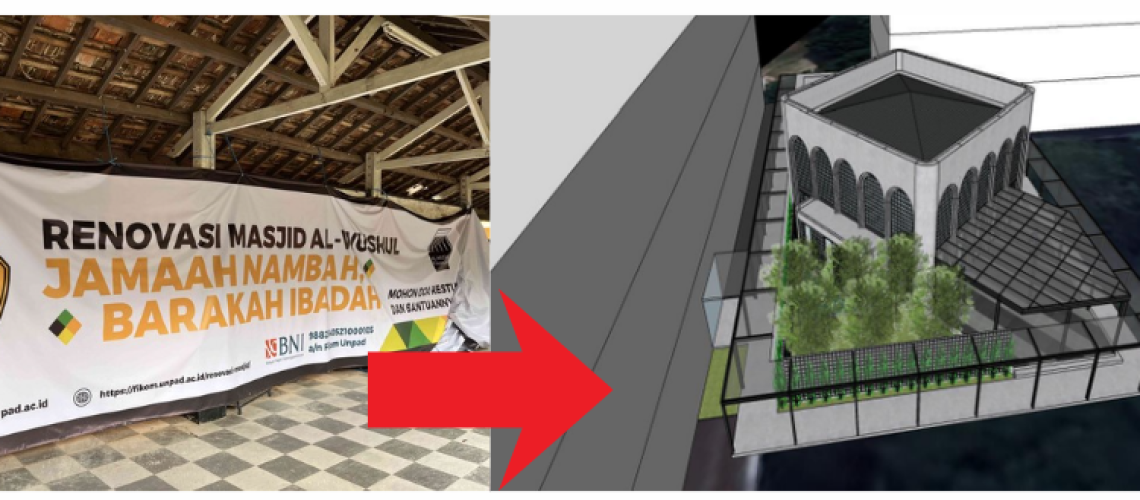
As an example of this commitment, in 2024 Universitas Padjadjaran revitalized an underutilized area of approximately 750 square meters into a modern and environmentally conscious academic space within the Faculty of Communication Sciences. This project demonstrates how the brownfield redevelopment approach is applied in practice and reflects Unpad’s consistent effort to promote responsible campus growth through sustainable design and careful land management.
Renovation of brownfield sites at Unpad
https://fikom.unpad.ac.id/proposal-renovasi-mesjid-al-wushul-fikom-unpad/
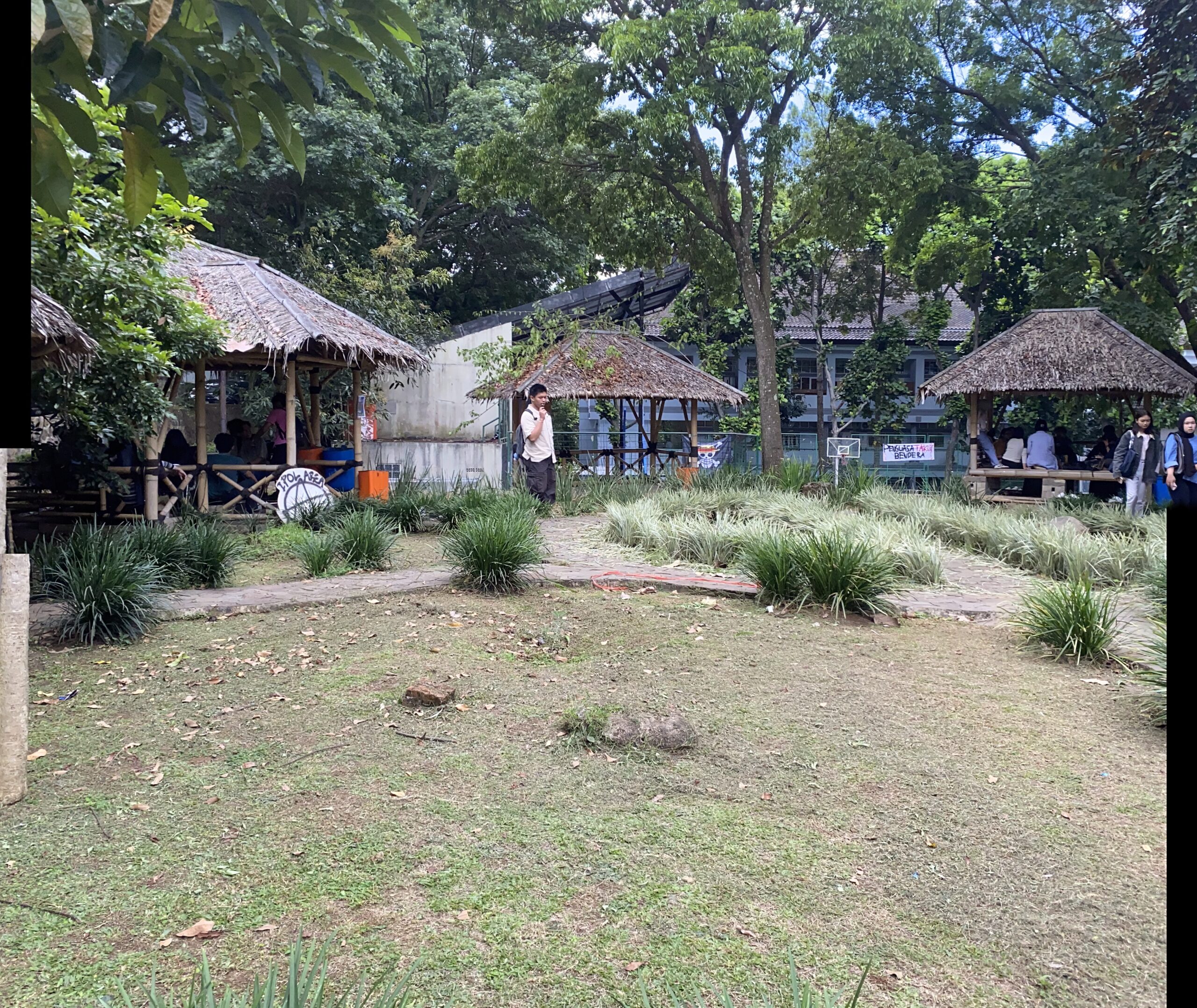
As a further example of this approach, Universitas Padjadjaran has also utilized previously unused land within the Faculty of Social and Political Sciences (FISIP) to develop a saung (open communal resting area) for students. This initiative transforms idle space into a functional and inclusive environment that supports student well being, informal learning, and social interaction, while maintaining the principles of sustainable land use and efficient campus space management.