Universitas Padjadjaran has a concern for food, including an ethical sourcing policy for food and supplies. The existence of a Circular on Sustainable Food Sources evidences this. Padjadjaran University has Circular Number 39/UN6.RKT/TU.00/2024 concerning Efforts to Optimize Sustainable Food Sources in the Padjadjaran University Environment. This circular for all academics and education personnel encourages the provision of clean and healthy canteens with various food choices by ensuring that food sources come from organic farming so as not to pollute the environment. They ensure that all canteens at the University use food sources from livestock or fisheries activities by paying attention to animal ethics, such as buying eggs raised from cage-free chickens. In addition, this policy pays attention to and uses sustainable and eco-friendly packaging, namely food and/or beverage packaging that is safe and environmentally friendly for canteens and catering.
https://sdgs.unpad.ac.id/wp-content/uploads/2024/11/Optimization-of-Sustainable-Food-Sources.pdf
Halal canteen
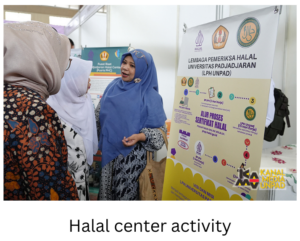
To guarantee quality food for students and the academic community, Unpad developed a halal and Tayib (Thayib) campus canteen. This canteen is located at GOR Santika, Jatinangor Campus, which is the main campus of Unpad. The soft launching of this canteen was held on October 4 2022, in collaboration between the Padjadjaran Halal Center and Bank Indonesia. As many as 34 canteen business actors were also involved in training on how to produce good food, such as choosing halal product raw materials, using supporting equipment, and creating processes that comply with halal standards. This canteen is open to all Unpad residents and operates from 08.00 to 18.00.
Policy of canteen management
The principles of canteen management are as follows:
- Maintaining the quality of food and beverage products served in the canteen, as well as providing friendly and efficient service to customers;
- Providing a variety of menu options for a variety of tastes, special dietary needs, and food preferences;
- Complying with applicable food safety standards, including storing, processing, and managing food safely to prevent contamination and disease;
- Providing quality raw materials by ensuring a consistent supply and selecting sustainable raw materials
Regulation of canteen management
In addition to the Regulation on Sustainable Food Sources, Universitas Padjadjaran has Bale Tatanen, which implements sustainable farming on campus. Bale Tatanen Universitas Padjadjaran is one of the initiatives that aims to provide space for students and the general public to learn and discuss various topics, especially those related to culture, environment, and sustainable development. Bale Tatanen is part of Universitas Padjadjaran’s efforts to support education oriented towards local wisdom and social values.
Greenhouse Bale Tatanen, typically used to protect plants from extreme weather conditions, must be adapted to resist unexpected climate changes. One improvement step is to strengthen the building structure, for example, using more durable materials resistant to strong winds and high rainfall. In addition, automatic temperature and humidity regulation technology is also the key to keeping the conditions inside the greenhouse optimal for plant growth, even though the temperature outside experiences extreme fluctuations.
With these improvements and innovations, the Bale Tatanen greenhouse can adapt to climate change, ensuring the sustainability of agriculture and the welfare of the sustainability of agriculture and the welfare of the surrounding community. This adaptation is a technical effort and a strategic step in facing an uncertain future.
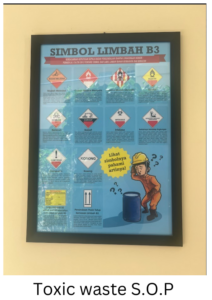
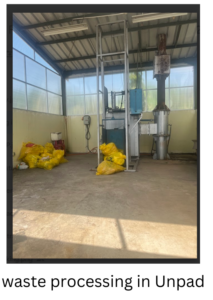
Universitas Padjadjaran has established policies and practices for waste disposal, including the management of hazardous materials. The university adheres to strict guidelines for handling and disposing of hazardous waste to ensure the protection of the environment and public health. Unpad implements a waste management system that separates hazardous and non-hazardous materials, following national and international standards for proper disposal.
Hazardous material waste management regulations on campus are significant in protecting human health and the environment. Fluid waste that is not managed correctly can pollute soil and water sources, negatively impacting the ecosystem. Additionally, proper management reduces the risk of contamination, maintains laboratory safety, and ensures compliance with environmental regulations. By having clear regulations, campuses can more effectively contribute to sustainability and environmental protection.
https://sdgs.unpad.ac.id/wp-content/uploads/2023/10/Policy-waste-disposal-hazardous-materials.pdf
Padjadjaran University has regulations regarding the management of hazardous materials. One of them is the Regulations on the Central Laboratory. This regulation explains the procedures for managing hazardous and toxic waste in central laboratories, including;
- Storage
Storage is a temporary activity for B3 waste until the amount is sufficiently transported or processed. This is done with considerations of economic efficiency.
- Labeling
Containers/jerry cans must be clearly labelled and marked, describing the contents of the B3 waste. Chemical elements should be written in full in percentage format. If the composition of a chemical found is unknown, it will be labelled “hazardous or unidentified chemical.”
- Transportation
B3 waste is transported to storage, processing/IPAL/final disposal facilities if not handled on-site.
- Processing
B3 waste processing is an activity that reduces and eliminates hazardous and toxic properties. This activity must be carried out by everyone who produces B3 waste. If the B3 waste producer cannot carry out the processing himself, the processing of the B3 waste is handed over to the B3 waste processor/3rd party.
Waste processing techniques in the central laboratory consist of neutralization, sterilization, distillation, precipitation, stabilization/solidification/sedimentation, and incineration.
https://drive.google.com/file/d/1QWlX0t5kxQHnhUjdej_CY5wdJRJz_DLQ/view?usp=drive_link
Not only regulations at the University level and the Central Laboratory, but laboratories owned by the Faculty also have regulations. An example is the Standard Operational Procedure (S.O.P) in the Food Microbiology Laboratory. This regulation explains the Handling and Disposal of Media Waste. NON-PATHOGEN liquid medical waste: 1) Liquid waste is disposed of in a particular sink for washing equipment; 2) Before disposal, glassware containing waste is sprayed with 70% alcohol; 3) Some liquid medium waste or test tubes contain NaCl and samples contain solids, so the solids must be thrown into a plastic bag (must not be thrown in the sink); 4) Researchers are required to clean the sink after disposing of waste and spray their hands with 70% alcohol and wash their hands with antiseptic soap.
https://drive.google.com/file/d/1muDvpbTKpoLUkzA2QbEBonjKbhbBw4jv/view
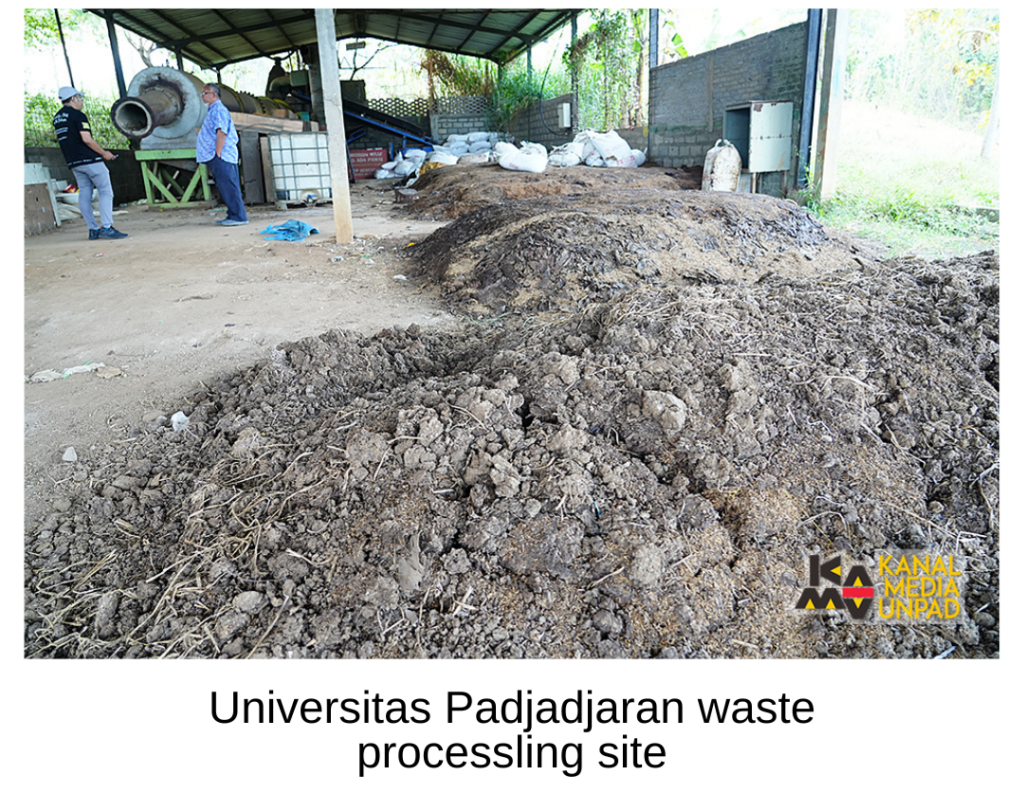
Universitas Padjadjaran has implemented a comprehensive waste management policy that emphasizes waste reduction, recycling, and proper disposal practices to landfills. The university actively measures the amount of waste generated, focusing on minimizing landfill contributions and maximizing recycling efforts. Unpad’s initiatives include the establishment of waste banks, promotion of recycling programs, and education campaigns aimed at fostering a culture of sustainability within the campus community.
Unpad’s policy on waste disposal to landfill incorporates a structured approach that includes separation, collection, transportation, processing, and community awareness measures. Notably, it mentions activities such as sorting waste by type, transferring waste to designated collection and processing sites, and processing waste to alter its characteristics or reduce its volume, aligning with typical landfill management practices.
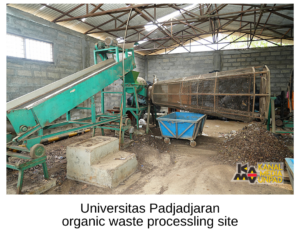
Additionally, Unpad manages solid waste by categorizing and processing it, using both aerobic and anaerobic methods, to treat organic waste and reduce overall landfill contribution. It also collaborates with local government and waste management entities to further enhance waste reduction efforts, including initiatives like the establishment of a waste bank. These measures reflect a comprehensive waste management and landfill reduction strategy.
Waste handling activities as referred to in Article 5 point b include:
- selection in the form of grouping and separating waste according to the type, amount, and/or nature of the waste;
- gathering in the form of collection and transfer of waste from the source of waste to temporary collection sites or integrated waste management sites;
- transportation in the form of carrying waste from the source and/or from the temporary waste collection site or from the Unpad Waste Processing Site to the Unpad Final Processing Site;
- processing in the form of changing the characteristics, composition, and amount of waste;
- making a warning so that the Unpad Society does not litter; and f. creating a Waste Bank in collaboration with the Regional Government and/or waste management business entities.
https://sdgs.unpad.ac.id/wp-content/uploads/2021/11/Policy-of-Management-of-Eco-Friendly-Campus.pdf
https://sdgs.unpad.ac.id/wp-content/uploads/2023/10/Policy-waste-disposal-hazardous-materials.pdf
For solid waste, Unpad Jatinangor campus operations produce an average of 3-5 tons of waste per day. Of this amount, around 60 – 70 percent is organic waste which comes from litter or dirt from dry leaves and twigs, or in other words comes from natural waste. Furthermore, 30 – 40 percent comes from inorganic waste. Teguh divides this inorganic waste into several categories. The first is waste that still has value, such as plastic bottles of bottled water, leftover food boxes/boxes, and even paper left over from office activities. Second, waste that has no value or residue, such as plastic bags, styrofoam, broken glass and construction waste. Apart from that, other waste produced is food waste and B3 waste such as batteries, lamps and electronic equipment scrap, the amount of which does not exceed five percent.
There are several waste processing processes carried out at TPS3R Unpad. Organic waste, especially from litter, is processed using aerobic and anaerobic methods. In the aerobic process, the litter is fermented by dumping. Some of the litter that has undergone an aerobic process is taken to be processed into an anaerobic process. In this process, the litter is combined with a bokashi system, or adding additional elements as nutrients from the organic waste to be fermented.
https://www.unpad.ac.id/2023/09/lebih-dari-satu-dekade-unpad-kelola-sampah-secara-mandiri/
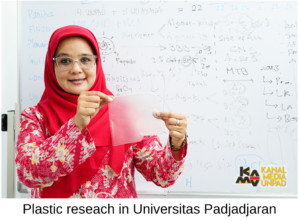
Universitas Padjadjaran has established policies aimed at minimizing the use of plastic on campus. These policies focus on reducing plastic waste through various initiatives, such as encouraging the use of reusable alternatives to single-use plastic items. Unpad has implemented measures to replace plastic packaging, cups, and bottles with more sustainable options, while also promoting awareness and education about the environmental impact of plastic waste.
Reducing single-use plastic is critical to protecting the environment and human health. Plastic thrown away carelessly can pollute land and waters, endanger wildlife, and increase the amount of difficult waste to decompose. By reducing single-use plastics, we can slow the impact of climate change, save natural resources, and encourage the use of alternative, more environmentally friendly materials. Public education and awareness regarding the importance of reducing plastic also play a role in creating better sustainable habits.
Unpad had Rector Regulation number 10 of 2022 Concerning the prohibition of the use of single use plastic
(1) Each work unit is responsible for supporting, maintaining, monitoring, and coordinating to realize the active participation of Unpad people in the implementation of the prohibition of the use of single-use plastics.
(2) Each work unit is obliged to facilitate the implementation of the prohibition of the use of single-use plastics at Unpad.
(3) Each of Unpad people is obliged to comply with the prohibition of the use of
single-use plastics at Unpad.
(4) Each Unpad guest is directed and notified to be able to support the implementation of the prohibition of the use of single-use plastics when visiting Unpad.
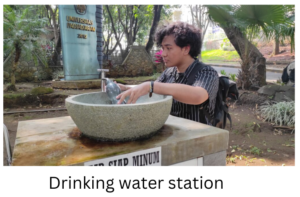
Universitas Padjadjaran has implemented policies aimed at minimizing the use of disposable items on campus. These policies focus on reducing reliance on single-use products, such as disposable cutlery, packaging, and cups, by promoting the use of reusable alternatives. Unpad encourages students, faculty, and staff to adopt sustainable practices, such as bringing their own reusable containers and utensils. The university also promotes awareness about the environmental impact of disposable items and the importance of reducing waste.
There is a rule of prohibition and reduction of the use of single-use plastics in the form of drinking water packaging made of single-use plastics, single-use plastic bags, plastic-based food wrappers, plastic-based eating and drinking utensils and backdrops, and plastic-based banners in the context of the principles of reduce, reuse, recycle, and reject
Reducing paper use is essential to protecting the environment and promoting sustainability. This activity can help reduce deforestation, save energy and reduce waste. By switching to digital solutions and using recycled paper, we can reduce our carbon footprint and minimize negative impacts on the ecosystem. In addition, awareness of the importance of lowering paper drives innovation in more efficient work and communication methods, such as electronic documents and online collaboration tools.
Universitas Padjadjaran collaborates with various stakeholders, such as canteens and cleaning service providers, to ensure proper waste management. The university communicates its regulations on responsible consumption and production to these partners and monitors their compliance with its disposable item policy. Regulations regarding responsible consumption and production are conveyed to them. We monitor so that outsourced services also implement our Disposable policy.
Unpad has Rector Regulation Number 26 of 2022 Concerning the Canteen Management. Every Canteen Management Permit holder is obliged to:
- Use the selection of product raw materials, supporting tools, and production processes that comply with halal standards;
- Be responsible for the waste produced by preparing appropriate food ingredients (food preparation) so that no food ingredients are wasted (food loss); k. Be responsible for consumer food waste by sorting food waste into organic containers so that organic waste processing processes applicable at Unpad such as composting can be carried out;
- Collectively urge consumers to reduce food waste by placing environmental education posters in the canteen;
- Reduce waste by replacing food packaging/containers with more environmentally-friendly ones, one of which is by using glass cups instead of plastic cups;
- Separate organic and inorganic waste generated from canteen operations.
Universitas Padjadjaran ensures that its sustainability policies extend to outsourced suppliers and the supply chain, including those providing equipment, stationery, and construction services. The university communicates its environmental standards and requirements to all suppliers, ensuring that they comply with Unpad’s policies on waste management, resource use minimization, and responsible production practices. For example, suppliers of equipment and stationery are encouraged to use eco-friendly materials and practices that align with Unpad’s commitment to reducing plastic waste and minimizing disposable items.
Universitas Padjadjaran is concerned that suppliers comply with the waste management policy at Universitas Padjadjaran. Therefore, Universitas Padjadjaran Chancellor’s Regulation Number 1 of 2023 concerning Procurement of Goods/Services also regulates suppliers’ environmental responsibility. Transactions do not use paper to procure goods. Article 6 explains that suppliers must procure goods/services by making maximum use of information communication technology and electronic transactions. Apart from that, suppliers need to implement the principles of efficiency and effectiveness to reduce environmental impacts. Use sustainable goods/services that pay attention to economic, social, and environmental aspects during the entire use process (life cycle).
Policy review of Rector Regulation of Universitas Padjadjaran Number 26 of 2022 Concerning Management of Canteen Within Universitas Padjadjaran
Point
Article 12. I Every canteen uses the selection of product raw materials, supporting tools, and production processes that comply with halal standards.
Evaluation
This policy have been referenced and executed by canteen management to use raw material and supporting tools with halal standards
Recommendation
It is expected to renew this policy or make new policy with more details about sustainable farmed food and food from aquatic policy
Related link
https://sdgs.unpad.ac.id/wp-content/uploads/2024/11/Policy-review-of-Ethical-sourcing-policy.pdf
Policy review of Rector Decree of Universitas Padjadjaran Number 1056/UN6.RKT/Kep/HK/2023 Concerning Policies for Hazardous Waste Management at Universitas Padjadjaran
Point
Realization of the management of garbage and waste containing hazardous and toxic materials at Universitas Padjadjaran. Encouraging the establishment of a hygienic, environmentally friendly and sustainable waste sanitation management system, as well as the provision of infrastructure at Universitas Padjadjaran
Evaluation
The decree establishes clear guidelines for the identification, handling, storage, and disposal of hazardous waste, ensuring compliance with national and international standards.
Recommendation
The regulation can be added to points of regular audits and assessments to monitor compliance and effectiveness, allowing for continuous improvement
Related link
https://sdgs.unpad.ac.id/wp-content/uploads/2024/11/Policy-review-of-Policy-waste-disposal.pdf
Policy review of Rector Regulation of Universitas Padjadjaran Number 12 of 2022 Concerning Waste Management at Universitas Padjadjaran
Point
Article 8. Transportation in the form of carrying waste from the source and/or from the temporary waste collection site or from the Unpad waste processing site to the Unpad final processing site
Evaluation
There are no specific points explaining the specifications for vehicle criteria and the waste transportation process to landfills.
Recommendation
The regulation can be added to points of vehicle criteria to be used to transport the waste to the landfill
Related link
https://sdgs.unpad.ac.id/wp-content/uploads/2024/11/Policy-review-of-waste-disposal-landfill-policy.pdf
Policy review of Rector Regulation of Universitas Padjadjaran Number 10 of 2022 Concerning Amendment to Rector Regulation of Universitas Padjadjaran Number 33 of 2021 Concerning The Prohibition of The Use of Single-Use Plastics at Universitas Padjadjaran
Point
Article 5, The implementation of restrictions on the use of single-use plastics. Implementation of meetings, socialization, workshops, Focus Group Discussions (FGD), training, seminars, and/or similar activities at Unpad by limiting drinking water packaging made of single-use plastics, single-use plastic bags, plastic-based food wrappers, plastic-based eating and drinking utensils, and plastic-based backdrops and banners.
Evaluation
The existing policy is current and fit for policy for minimisation of plastic waste
Recommendation
This policy is expected to be continuously implemented on emphasizing reducing including disposable items.
Related link
https://sdgs.unpad.ac.id/wp-content/uploads/2024/11/Policy-review-of-Policy-for-minimisation-of-plastic.pdf
Policy review of Rector Regulation of Universitas Padjadjaran Number 12 of 2022 Concerning Waste Management at Universitas Padjadjaran
Point
Article 9. Restrictions on waste generation includes: reducing consumption of food and/ or beverages that use packaging; using own drinking water container (tumbler); getting used to throwing waste in its place according to the type of waste, providing education about the direct impact and the dangers that will occur when littering
Evaluation
The existing policy is current and fit for policy for minimisation of disposable items
Recommendation
This policy is expected to be continuously implemented on emphasizing reducing, reusing, and recycling waste, including disposable items
Universitas Padjadjaran has implemented systems to measure the amount of waste generated and recycled across the university. Waste tracking is essential for effective waste management as it helps organizations monitor, manage, and minimize waste generation. By tracking waste, entities can identify patterns, assess their waste disposal methods, and implement strategies for reduction and recycling. This not only enhances operational efficiency but also contributes to sustainability goals and regulatory compliance. Moreover, waste tracking fosters greater accountability and encourages a culture of environmental responsibility among employees and stakeholders.
Organic Waste Tracking
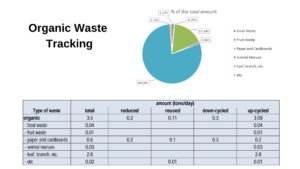
Universitas Padjadjaran generates approximately 3.5 tons of organic waste per day or 1281 tons per year. The organic waste within the campus premises is collected by garbage trucks and transported to TPS 3R Ciparanje. The waste management system within the campus is well-structured, with a strong emphasis on separating waste at the source. Students, staff, and the campus community are encouraged to actively participate in waste sorting activities.
https://sdgs.unpad.ac.id/wp-content/uploads/2024/11/Total_volume_organic_waste_produced.pdf
Inorganic Waste Tracking
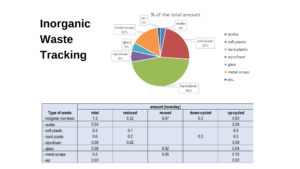
Universitas Padjadjaran generates approximately 1.3 tons of inorganic waste per day or 475.8 tons per year. The inorganic waste within the campus premises is collected by garbage trucks and transported to TPS 3R Ciparanje. Waste management within the campus is well-structured, with a strong emphasis on separating waste at the source. Students, staff, and the campus community are encouraged to actively participate in waste sorting activities.
https://sdgs.unpad.ac.id/wp-content/uploads/2024/11/Total_volume_inorganic_waste_produced.pdf
Toxic Waste Tracking
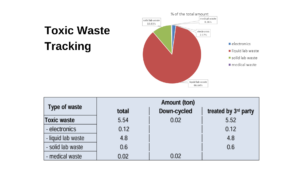
Universitas Padjadjaran generates an annual total of approximately 5.54 tons of hazardous waste. This hazardous waste generated within the campus is collected by the K3L team and transported to TPS B3 Ciparanje. Before being collected by the K3L team, all laboratory personnel calculate and record the amount of waste to be collected using a waste management application managed by the K3L team. The collected B3 waste at TPS B3 typically includes both liquid and solid waste from laboratory activities, as well as electronic waste from office activities. The K3L team conducts regular checks, and when TPS B3 reaches its capacity, the B3 waste is then transported and processed by third-party entities with the competence and authorization to manage such hazardous waste. Furthermore, Universitas Padjadjaran also produces hazardous medical waste, which is collected and subsequently processed using an incinerator.
https://sdgs.unpad.ac.id/wp-content/uploads/2024/11/Total_volume_toxic_waste_produced.pdf