
Separation of Organic and Inorganic Waste on Campus
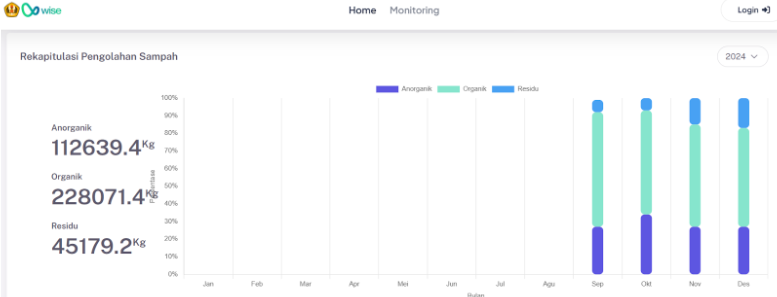
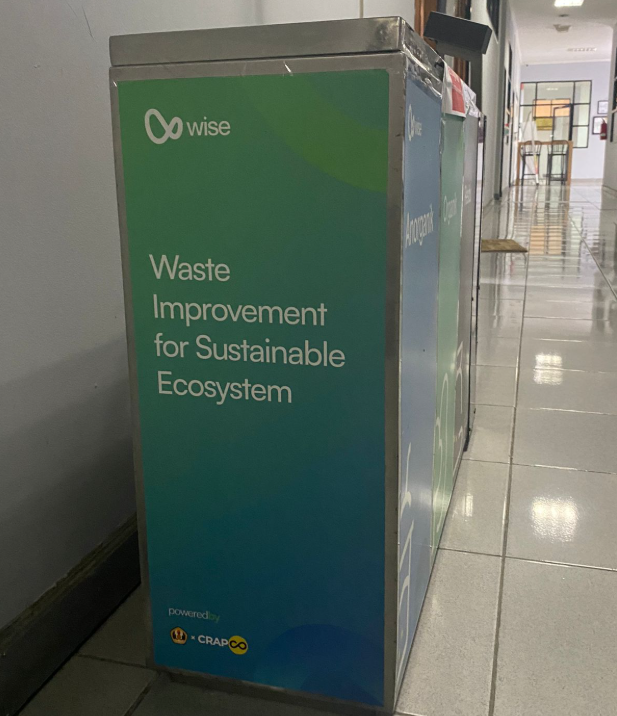
Universitas Padjadjaran demonstrates its commitment to Campus Food Waste Tracking by implementing a waste separation system that distinguishes between organic and inorganic waste across the university. Each faculty and campus canteen is equipped with separate bins to support efficient and sustainable waste management. This initiative enables more accurate identification of food waste sources, allowing the university to monitor the volume and types of waste generated daily. Through this monitoring process, Unpad not only focuses on waste disposal but also on prevention and reduction at the source. This waste separation initiative forms part of the university’s broader environmental sustainability strategy.
Recycling Waste Management such as Plastic Bottles and Similar Materials
As part of its Campus Food Waste Tracking efforts, Universitas Padjadjaran also manages recyclable inorganic waste, such as plastic bottles, paper, and cans. Through collaboration with waste banks and campus environmental management units, non-organic waste is collected, sorted, and distributed to licensed recycling partners. This approach not only reduces the amount of waste ending up in landfills but also generates additional economic value for surrounding communities. The program contributes to the creation of a campus circular economy, where waste is not seen merely as discarded material but as a resource that can be reused. Data from recycling activities are also integrated into the university’s waste tracking system to measure the overall effectiveness of campus waste management.
Utilizing Maggot Technology to Reduce Organic Waste
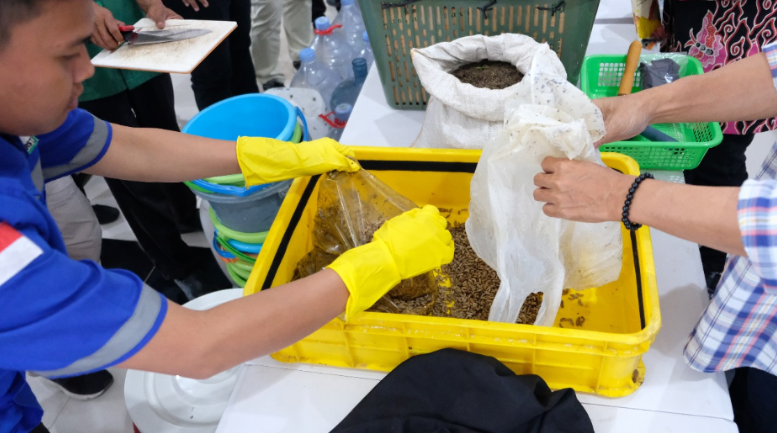
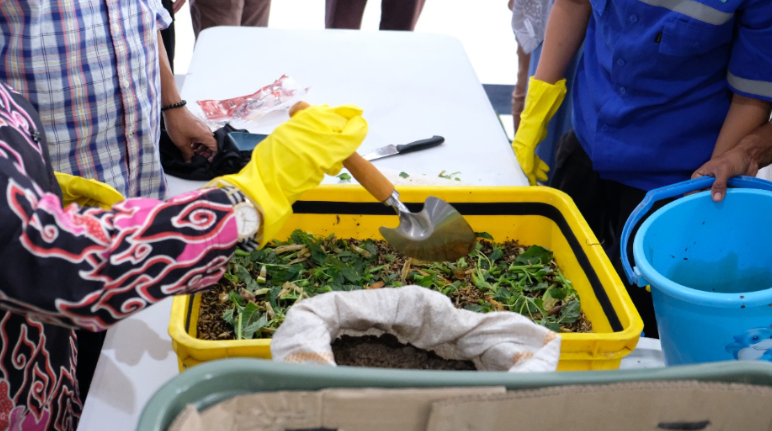
To strengthen its Campus Food Waste Tracking, Universitas Padjadjaran adopts maggot bioconversion technology (Black Soldier Fly larvae) as a method to reduce organic waste. Food waste from canteens and food processing laboratories is collected and used as feed for maggots, which are then processed into organic fertilizer and animal feed. This process significantly reduces the volume of organic waste while supporting circular bio-economy practices within the university. This innovation reflects Unpad’s implementation of a sustainable food waste management system based on research and cross-faculty collaboration, including the Faculty of Animal Husbandry and the Faculty of Agricultural Industrial Technology. By systematically monitoring the inputs and outputs of the bioconversion process, Unpad integrates organic waste management data into its campus-wide food waste tracking system.