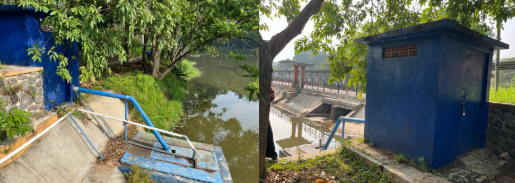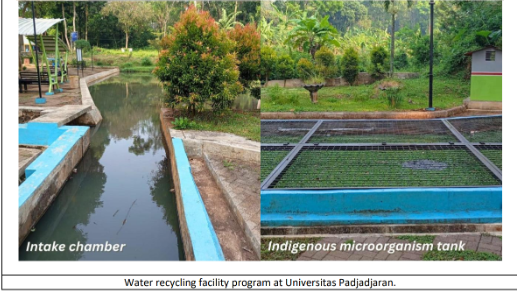
Preventing Water System Pollution at Universitas Padjadjaran illustrates the university’s strong commitment to protecting water quality and maintaining a sustainable campus environment. Unpad has implemented preventive processes to ensure that polluted water does not enter the natural water system, including safety protocols in laboratories, waste management procedures, and regular maintenance of drainage systems. The university also monitors potential sources of contamination to prevent pollution from accidental spills or operational incidents.
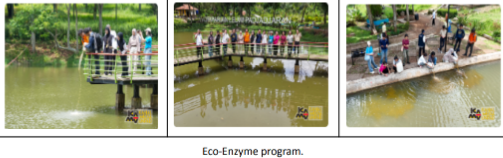
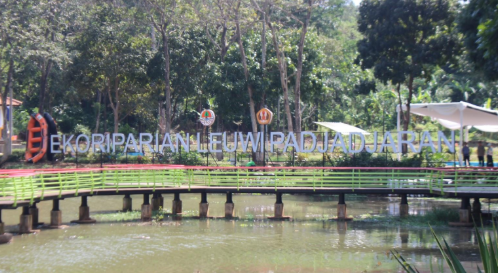
Development of a Waste Detection Device in the Ecoriparian Area
Universitas Padjadjaran has developed an automated waste detection device to identify potential water pollution in ecoriparian zones, which serve as natural buffers for river ecosystems. The device is capable of detecting the presence of chemicals, microorganisms, and hazardous substances entering surface water in real time. This innovation enables the university to immediately implement mitigation and containment measures to prevent pollutants from spreading and damaging aquatic environments. It represents a proactive approach to establishing an early detection system against potential water contamination caused by laboratory waste, domestic discharge, or accidental incidents within the university area.
Beyond its monitoring function, the system also supports environmental research and surveillance activities conducted by Unpad’s students and researchers, enhancing environmental awareness and ecological responsibility. The collected data serve as the basis for the university’s wastewater control and pollution prevention strategy, integrating research outcomes into policy and environmental management practices. This initiative underscores Unpad’s commitment to preventing pollution before it occurs.
Comprehensive Waste Management in Laboratories to Protect Soil and Water Quality
Universitas Padjadjaran enforces a comprehensive laboratory waste management system to ensure that all discharged substances, including chemical and liquid waste, are neutralized and rendered safe before release into the environment. Each laboratory adheres to strict waste segregation and chemical treatment protocols, including emergency procedures for accidental spills of hazardous materials. This policy guarantees that research and experimental activities are conducted safely and do not contribute to water contamination due to negligence or incidents.
The university also conducts periodic environmental audits and waste management training for staff and students to strengthen compliance with green laboratory practices. These programs are part of Unpad’s broader environmental risk management framework, emphasizing prevention, safety, and sustainability. Through these measures, Universitas Padjadjaran ensures that all laboratory and research operations contribute to the preservation of natural ecosystems and prevent pollution from entering local water systems.